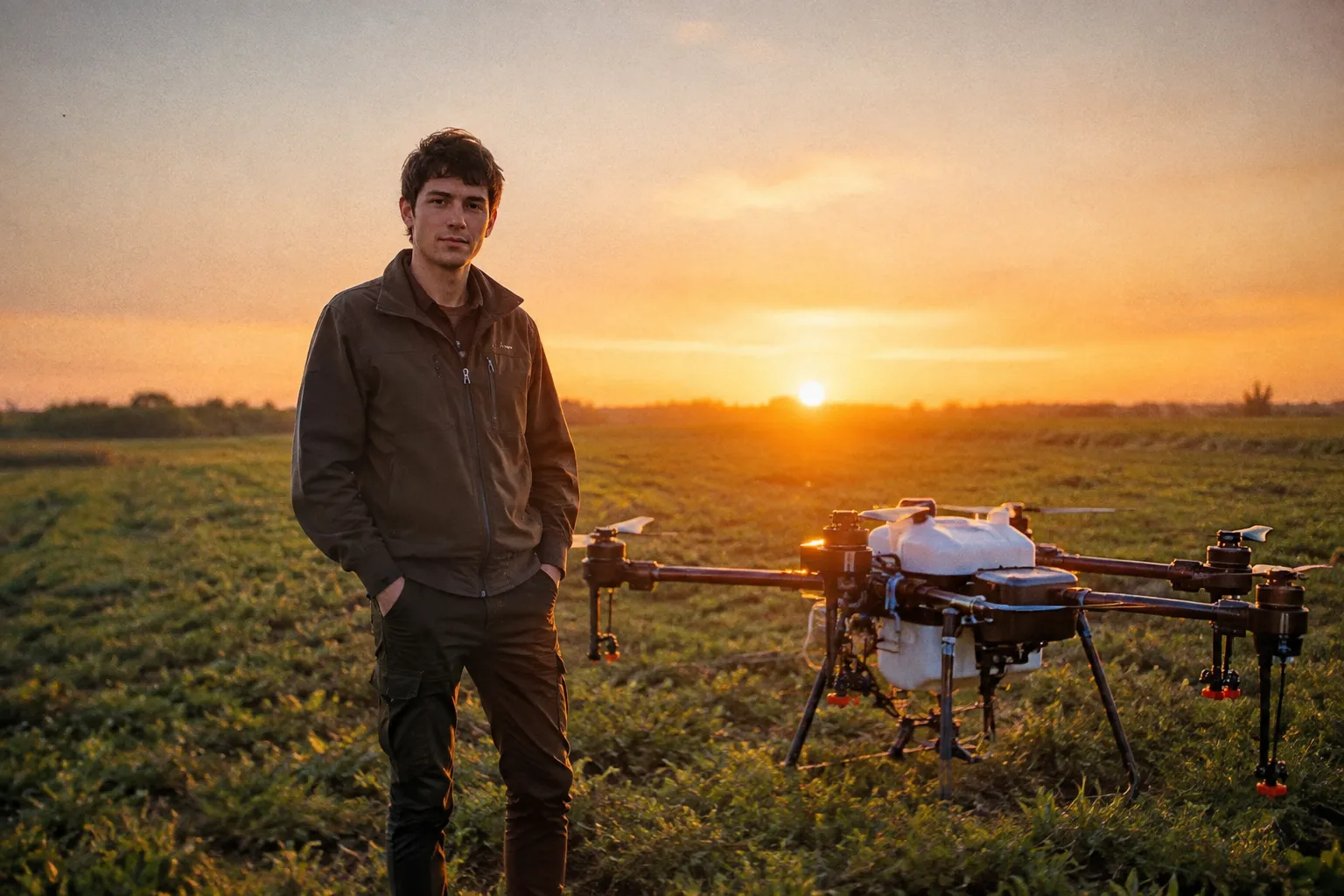
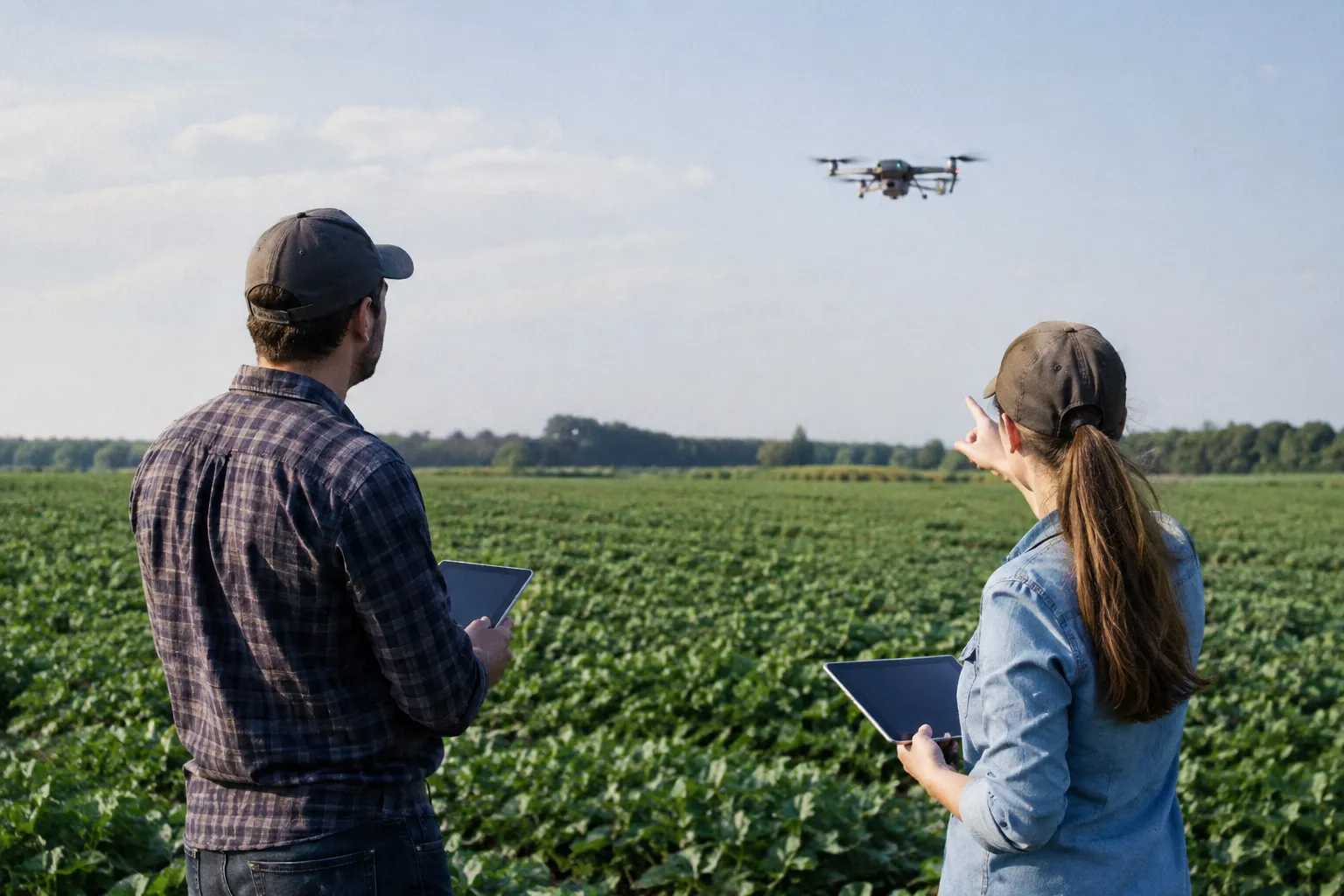
Running a single-pilot drone operation is already complex enough. Add a second or third pilot to the mix, and your insurance setup needs to keep pace. Multi-pilot agriculture drone insurance is one of the more misunderstood corners of the ag drone market, and getting it wrong can leave you exposed when a claim actually happens. Whether you're running a spray operation with a crew or managing seasonal workers who rotate through your fleet, the coverage structure matters more than most operators realize.
At SkyWatch, we've issued more than 300,000 commercial drone insurance policies. That volume means we've seen exactly what goes wrong when teams scale up without adjusting their coverage. This post breaks down what you actually need to know.
Covering Multiple Pilots Under One Ag Drone Policy
The first thing to understand is that most standard drone policies are written with a single named pilot in mind. That works fine for a solo operator. It stops working the moment you send two pilots out to cover different fields on the same day, or when an employee takes the sticks while you're managing ground operations. Multi-pilot agriculture drone insurance is specifically designed to close that gap.
There are a few ways to structure this. Some operations add pilots as named insureds directly on the policy. Others use a blanket pilot coverage approach, where any qualified pilot operating under your business umbrella is covered as long as they meet certain certification and flight hour requirements. The right structure depends on how your operation is actually organized. Subcontractors get treated differently than W-2 employees, and that distinction affects both liability and coverage terms.
For operators with employees, ag drone insurance for employees typically works through your business policy rather than requiring each pilot to hold individual coverage. But there are conditions. The employee usually needs to hold a valid Part 107 certificate, and some underwriters will require a minimum number of logged flight hours before they'll include a pilot on the policy. We work with underwriters who specialize in ag drone operations, so we can help you find terms that reflect how your team actually flies, not just a generic template.
Shared drone coverage for multiple pilots also raises questions about equipment. If one pilot damages the aircraft and another was the last person logged as operating it, the claims process gets complicated fast. Keeping a detailed flight log for each aircraft, tied to which pilot was in command, is one of the simplest ways to prevent that confusion. Your insurance carrier will want that documentation if a hull claim comes in.
Another issue that comes up regularly in team drone operations ag insurance is the gap between what your policy covers and what your clients expect you to carry. Large farming operations and ag co-ops often require proof of liability coverage with specific limits before they'll let you operate on their land. If your policy only names one pilot and a second person is flying, that contract requirement may not actually be met, even if you think you're covered. Worth checking before you sign the next client agreement.
Seasonal operations add another layer. If you bring on additional pilots during planting or harvest and then scale back down, you want a policy that can flex with your team without forcing you to pay for coverage you don't need off-season. Some agriculture drone insurance products offer pay-per-flight or monthly structures that make this easier to manage financially. It's not a fit for everyone, but for operations with uneven workloads, it's worth considering.
Liability limits also need to scale with your team. More pilots in the field means more simultaneous exposure. A single-pilot policy with a $1 million liability limit might be appropriate for one operator doing two flights a day. That same limit spread across three pilots covering dozens of acres daily is a different calculation entirely. Multi-pilot agriculture drone insurance should reflect the actual scope of your operation, not just the size of your aircraft.
One more thing: don't assume your general business liability policy picks up the slack. Most commercial general liability (CGL) policies specifically exclude aircraft, and drones typically fall under that exclusion. Commercial drone insurance is what fills that gap. If you're relying on your CGL to cover drone-related incidents, check the exclusions carefully before your next flight.
SkyWatch offers nearly perfect 5-star customer support because we know this stuff gets complicated fast, and operators shouldn't have to figure it out alone. If you're building a team and want ag drone insurance that actually fits how you operate, talking through your setup before you buy is always the better move.
Frequently Asked Questions
How much does multi-pilot agriculture drone insurance cost?
Pricing depends on the number of pilots, the aircraft being flown, coverage limits, and how frequently the drones operate. A basic single-pilot ag drone policy can start around $500 to $750 per year, but multi-pilot policies with higher liability limits and hull coverage for larger spray drones can run significantly more. Getting a specific quote based on your actual operation is the most accurate way to estimate cost.
Does each pilot in a multi-pilot ag drone operation need their own insurance policy?
Not necessarily. In many cases, pilots operating under a business can be covered under the business's ag drone insurance policy, either as named pilots or through blanket pilot coverage. However, if pilots are working as independent contractors rather than employees, the coverage structure changes and they may need their own individual policies to be fully protected.
What are the biggest coverage gaps in team drone operations ag insurance?
The most common gaps involve pilots who aren't named or listed on the policy, subcontractors assumed to be covered under the business policy, and hull claims where pilot-in-command isn't clearly documented. Another frequent gap is liability coverage that doesn't scale with the number of simultaneous operations happening across a large farm or field complex.
Do all pilots on an ag drone insurance policy need a Part 107 certification?
Most underwriters require every pilot covered under a commercial ag drone policy to hold a valid FAA Part 107 Remote Pilot Certificate. Some policies also set minimum flight hour requirements before adding a pilot to an existing policy. Operating a drone commercially without Part 107 certification is also an FAA violation, which can void your coverage entirely in the event of a claim.
Ready to get your team covered properly? Get a quote at skywatch.ai.