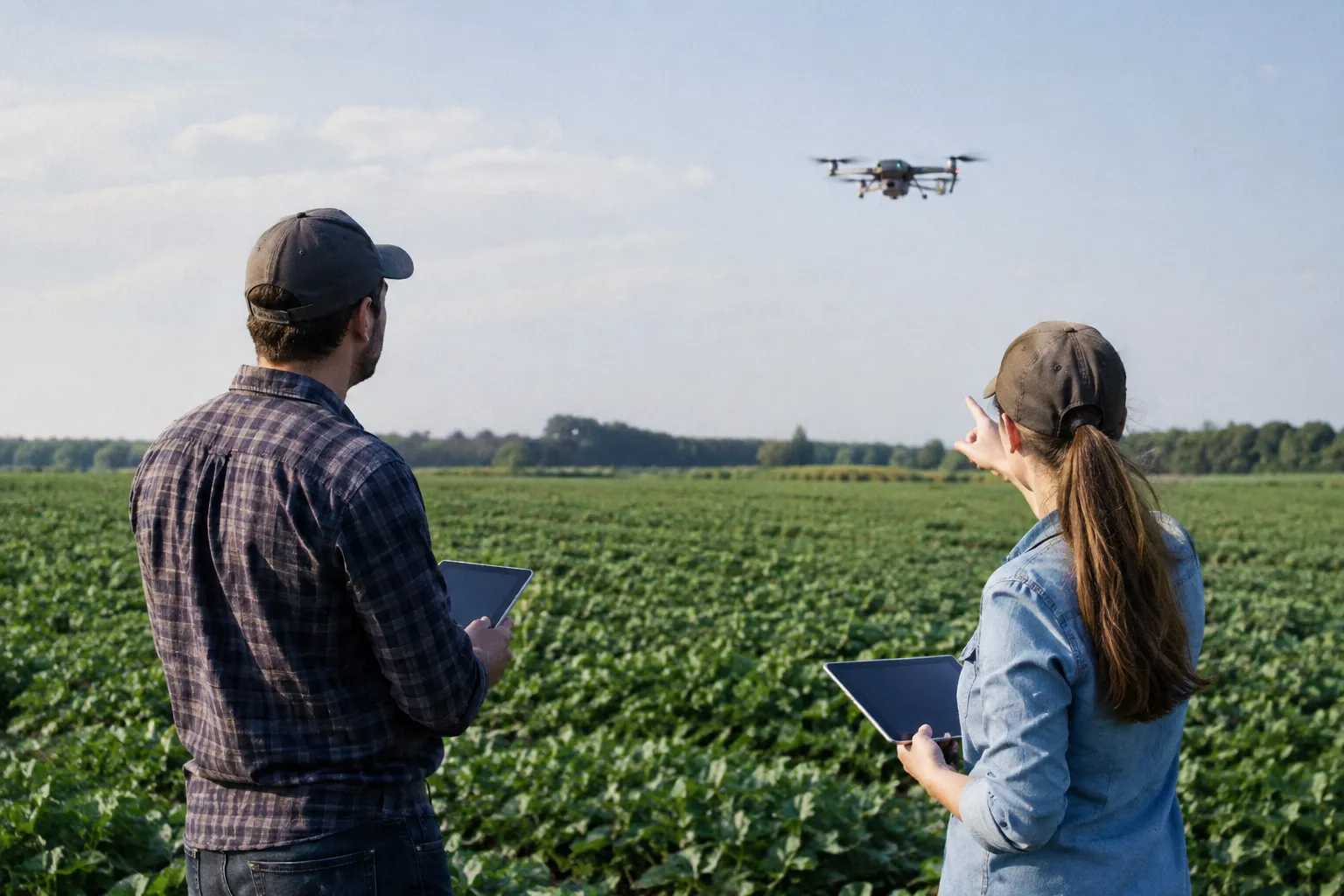
Starting an ag drone business is a serious investment. Between the aircraft, the spraying equipment, and the time it takes to build a client base, you're putting real money on the line before you ever fly a paying job. Most new operators think hard about equipment costs. Far fewer think carefully enough about agriculture drone business insurance, and that gap can turn one bad flight into a business-ending loss.
This guide breaks down what coverage you actually need, why it matters from day one, and what to watch out for when you're shopping policies as a new operator.
What Coverage to Get Before Flying Your First Commercial Job
The foundation of any ag drone operation is liability coverage. If your aircraft drifts and damages a neighboring crop, hits a structure, or injures someone on the ground, liability insurance is what stands between you and a lawsuit that could wipe out everything you've built. General commercial drone insurance policies include this, but ag spraying operations carry specific risks that standard policies often don't fully address.
When you're applying for agriculture drone insurance, you need to be explicit about what you're doing. A policy written for a cinematography drone or a mapping operator isn't designed for a spray drone carrying pesticides over a farmer's field. Chemical drift is one of the biggest exposures in this business. If your spray application drifts onto an adjacent organic farm and contaminates their crop, the financial consequences can be significant. You need a policy that accounts for that kind of claim, not one that excludes it in the fine print.
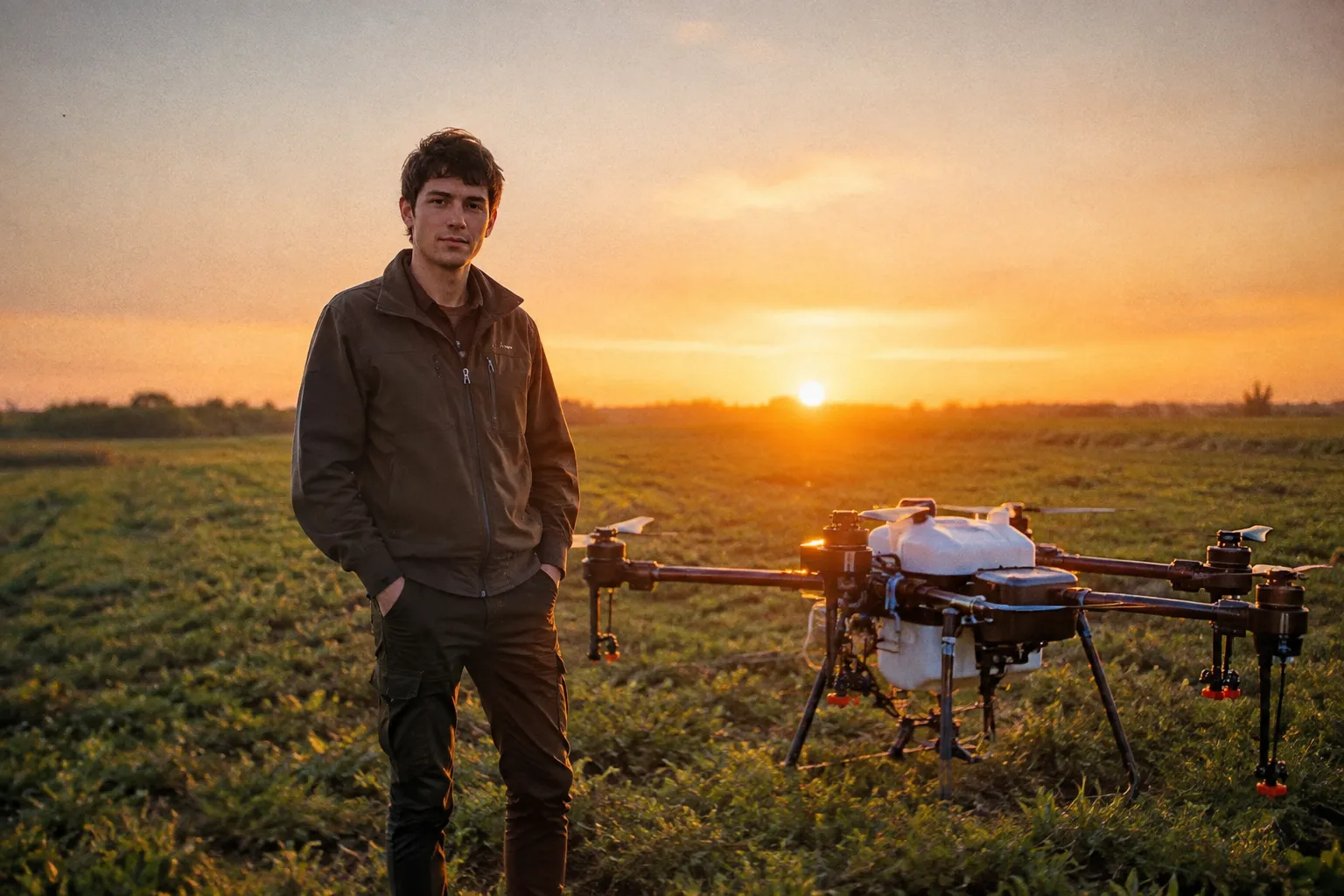
Hull coverage is the second piece. This covers physical damage to your drone itself, whether from a crash, a fly-away, or equipment failure. Ag spray drones are not cheap. If you're operating a DJI Agras or a similar platform, you're flying a $15,000 to $30,000 piece of equipment on every job. Replacing it out of pocket after a crash, especially early in your operation when margins are tight, can set you back months.
Starting ag drone service insurance should also address payload coverage if your policy doesn't automatically include it. Some policies cover the aircraft but exclude attached equipment. Your spray system, tanks, and sensors may not be covered unless you specifically ask about it.
One thing that separates ag operators from other commercial drone pilots is the regulatory environment around pesticide application. Many states require proof of insurance before they'll issue or renew your pesticide applicator's license. That means agriculture drone business insurance isn't just smart risk management. It's often a licensing requirement before you can legally operate.
At SkyWatch, we've issued more than 300,000 commercial drone insurance policies, and ag operators represent one of the fastest-growing segments we work with. We work with underwriters who specialize in ag drone operations, which means the coverage is built for what you're actually doing, not retrofitted from a policy written for a different use case. That distinction matters when you file a claim.
New ag drone operator coverage should also factor in your Part 107 certification status and any waivers you're operating under. If you're flying under a waiver that allows operations outside standard Part 107 limits, make sure your insurer knows. Flying outside the scope of your policy, even unintentionally, can give an insurer grounds to deny a claim.
For commercial drone insurance, the range is wide depending on your aircraft value, coverage limits, and the type of work you're doing. Ag spraying typically sits at a higher premium than photography or inspection work, given the liability exposure from chemical application. But the cost of a policy is a fraction of what a single uncovered claim could cost you.
Commercial drone spraying business insurance should be reviewed every season, not just purchased once and forgotten. If you add aircraft, expand your service area, or start applying different chemical types, your coverage needs to reflect that. An outdated policy is almost as risky as no policy at all.
Our team provides nearly perfect 5-star customer support because we know that when you're in the field and something goes wrong, you need answers fast, not a phone tree.
Frequently Asked Questions
How much does agriculture drone business insurance typically cost?
Premiums vary based on aircraft value, coverage limits, and the type of ag work being done. Spray drone operators generally pay more than mapping or inspection operators due to chemical liability exposure. Annual policies for ag drone businesses commonly range from $1,500 to $4,000 or more depending on coverage scope and fleet size.
Does standard commercial drone insurance cover chemical drift damage?
Not always. Many general commercial drone policies exclude or limit coverage for chemical application and drift-related damage. Ag drone operators need a policy specifically underwritten for pesticide and spray operations to ensure chemical drift claims are covered. Always read the exclusions section before purchasing.
Is drone insurance required to get a pesticide applicator license?
In many U.S. states, proof of liability insurance is a condition of obtaining or renewing a commercial pesticide applicator's license. Requirements vary by state, so check with your state department of agriculture. Operating without required coverage can result in license denial or revocation.
What's the difference between hull coverage and liability coverage for ag drones?
Hull coverage pays for physical damage to your drone, covering repairs or replacement after a crash or equipment failure. Liability coverage pays for damage or injury caused to third parties, including crops, property, or people on the ground. Most ag drone operators need both, since neither type of coverage substitutes for the other.
Ready to protect your operation before you fly your first job? Get a quote at skywatch.ai.