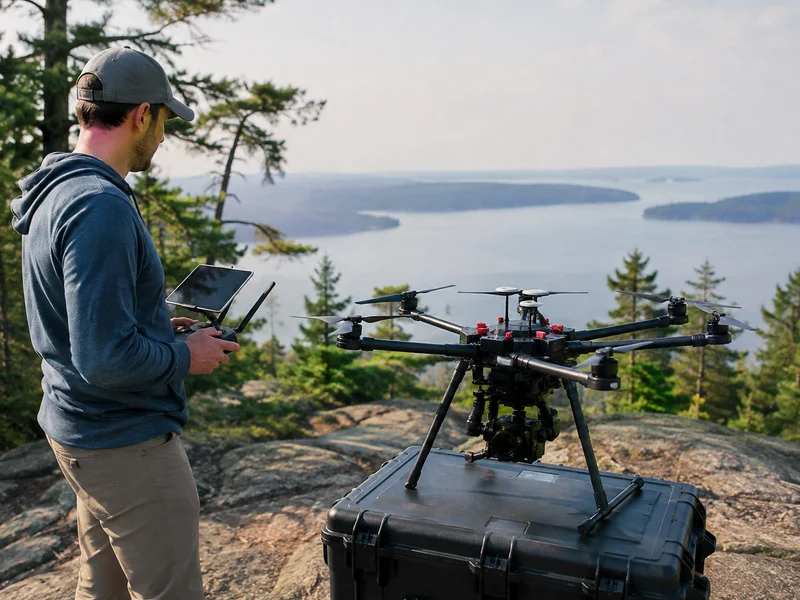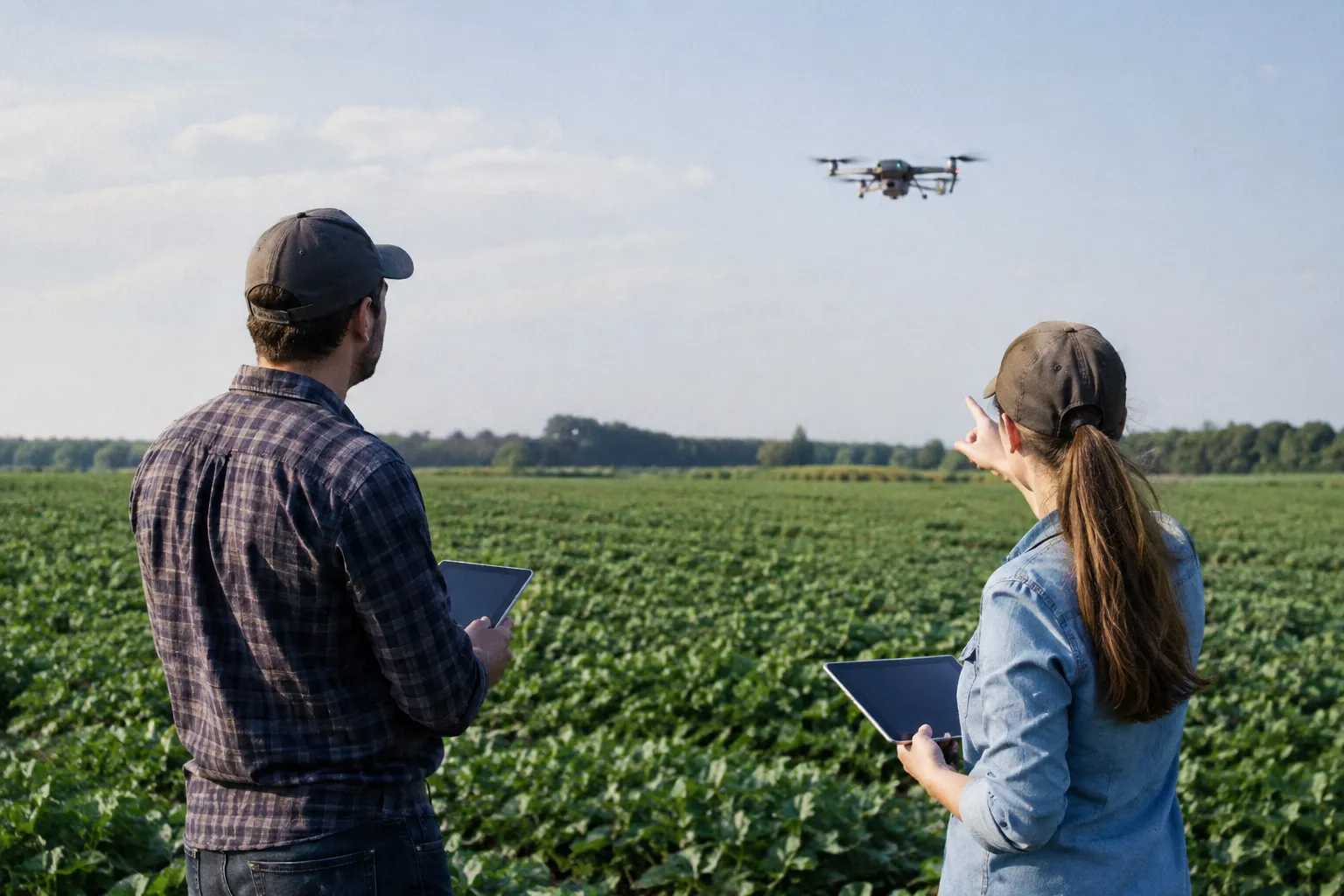
Most ag operators think about drone insurance when they own the aircraft. But what happens when you rent a sprayer drone for a single season, or borrow a neighbor's multispectral rig to scout a problem field? Your standard policy probably won't cover it. That's where non-owned drone insurance agriculture comes in, and it's a coverage gap worth understanding before something goes wrong mid-operation.
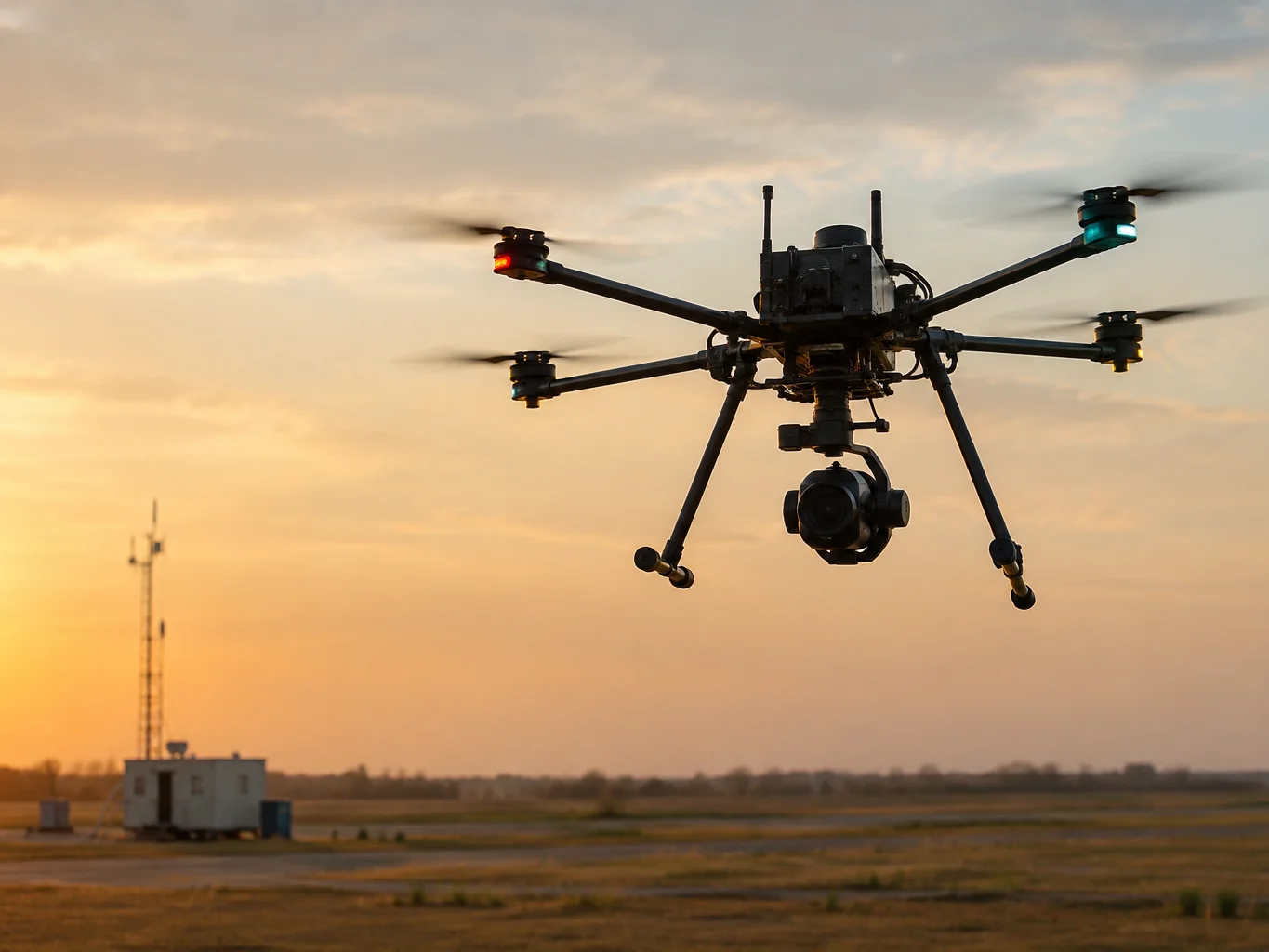
The ag drone market has made renting and borrowing more common than ever. High-end agricultural drones, the kind that can carry 10+ liters of spray or capture NDVI data across hundreds of acres, cost tens of thousands of dollars. Not every operator wants to own one outright. Seasonal operators especially tend to rent. And when you're flying someone else's equipment over someone else's crops, the liability picture gets complicated fast.
We've issued more than 300,000 commercial drone insurance policies, and we see this situation regularly. An operator assumes they're covered under the aircraft owner's policy, or they assume their own general liability policy extends to non-owned aircraft. In most cases, neither assumption holds up.
What Non-Owned Coverage Protects and What It Doesn't
Non-owned drone insurance agriculture is designed for exactly this scenario: you're operating a drone you don't own, and you need liability protection for the time you're flying it. The core protection here is third-party liability. If you crash a rented drone into an irrigation system, damage a neighboring property, or cause a crop loss due to a spray malfunction, non-owned coverage steps in to handle those claims.
What it typically doesn't cover is physical damage to the aircraft itself. That's hull coverage, and it usually stays with the owner's policy or requires a separate endorsement. If you're borrowing a $40,000 spray drone and you total it, you may be on the hook for that unless you've specifically arranged hull coverage as part of your renting ag drone insurance setup. This is a detail worth sorting out before you take off, not after.
We work with underwriters who specialize in ag drone operations, which means we understand the specific risk profile of agricultural flying. Spraying operations carry different exposure than mapping flights. Low-altitude passes over crops, chemical payloads, proximity to people and livestock, these all factor into how coverage is structured. Generic drone policies often miss these nuances. Agricultural-specific coverage doesn't.
For operators who need borrowing drone coverage agriculture on a short-term basis, the good news is that coverage can often be structured around the actual period of use. You don't necessarily need a year-long policy for a two-week rental. Commercial drone insurance has gotten flexible enough to accommodate that, which matters a lot when your ag drone needs are seasonal or project-based.
Temporary ag drone use is increasingly common in row crop country, where operators bring in rental units for planting season or harvest scouting and then return them. If you're in that situation, a policy that covers only the window of active operation makes more financial sense than carrying a full annual premium. The key is making sure there's no gap between when you take possession of the aircraft and when coverage kicks in.
One more thing operators often overlook: some landowners and ag co-ops now require proof of liability insurance before allowing drone operations on their property, even for single-day jobs. Having agriculture drone insurance that includes non-owned aircraft coverage lets you show up to those jobs ready, with documentation that actually reflects what you're flying.
Our team has nearly perfect 5-star customer support ratings because we walk operators through exactly these kinds of coverage questions before they become claims. The difference between a straightforward claim and a denied one often comes down to whether the right coverage was in place for the right aircraft at the right time.
Non-owned drone insurance agriculture isn't a niche product anymore. As the rental market for ag drone insurance needs has grown, so has the availability of policies designed to address it. If you're regularly flying equipment you don't own, or you're planning to rent for an upcoming season, it's worth getting a policy that specifically accounts for that instead of hoping your existing coverage stretches far enough to cover it.
Frequently Asked Questions
How much does non-owned drone insurance cost for agriculture operations?
Cost varies based on the type of operation, the value of the aircraft being used, and the duration of coverage needed. Short-term non-owned policies for agricultural drones can start at a few hundred dollars for a defined period of use. Annual policies with non-owned aircraft liability coverage are typically priced relative to the overall risk profile of the operation, including whether spraying or mapping is involved.
Does my existing ag drone policy automatically cover a drone I rent or borrow?
Most standard drone policies cover only the specific aircraft listed on the policy. If you rent or borrow a drone not listed on your policy, you are likely operating without coverage for that aircraft. You should confirm with your insurer whether your policy includes a non-owned aircraft liability endorsement before flying any drone you don't own.
Who is responsible for hull damage if I crash a rented ag drone?
Hull coverage, which pays for physical damage to the aircraft itself, typically stays with the aircraft owner's policy. If you crash a rented drone and there is no specific agreement or endorsement covering hull damage under your policy, you may be personally liable for repair or replacement costs. Always clarify hull responsibility with the owner and your insurer before taking possession of any rented aircraft.
Is non-owned drone coverage required for contract ag drone operators?
There is no universal legal requirement, but many landowners, agricultural co-ops, and commercial clients now require proof of liability insurance that covers the specific aircraft being flown. If you contract to fly on third-party properties using rented equipment, non-owned drone liability coverage is often a practical requirement to secure that work and protect yourself from out-of-pocket claims.
Get a quote at skywatch.ai.