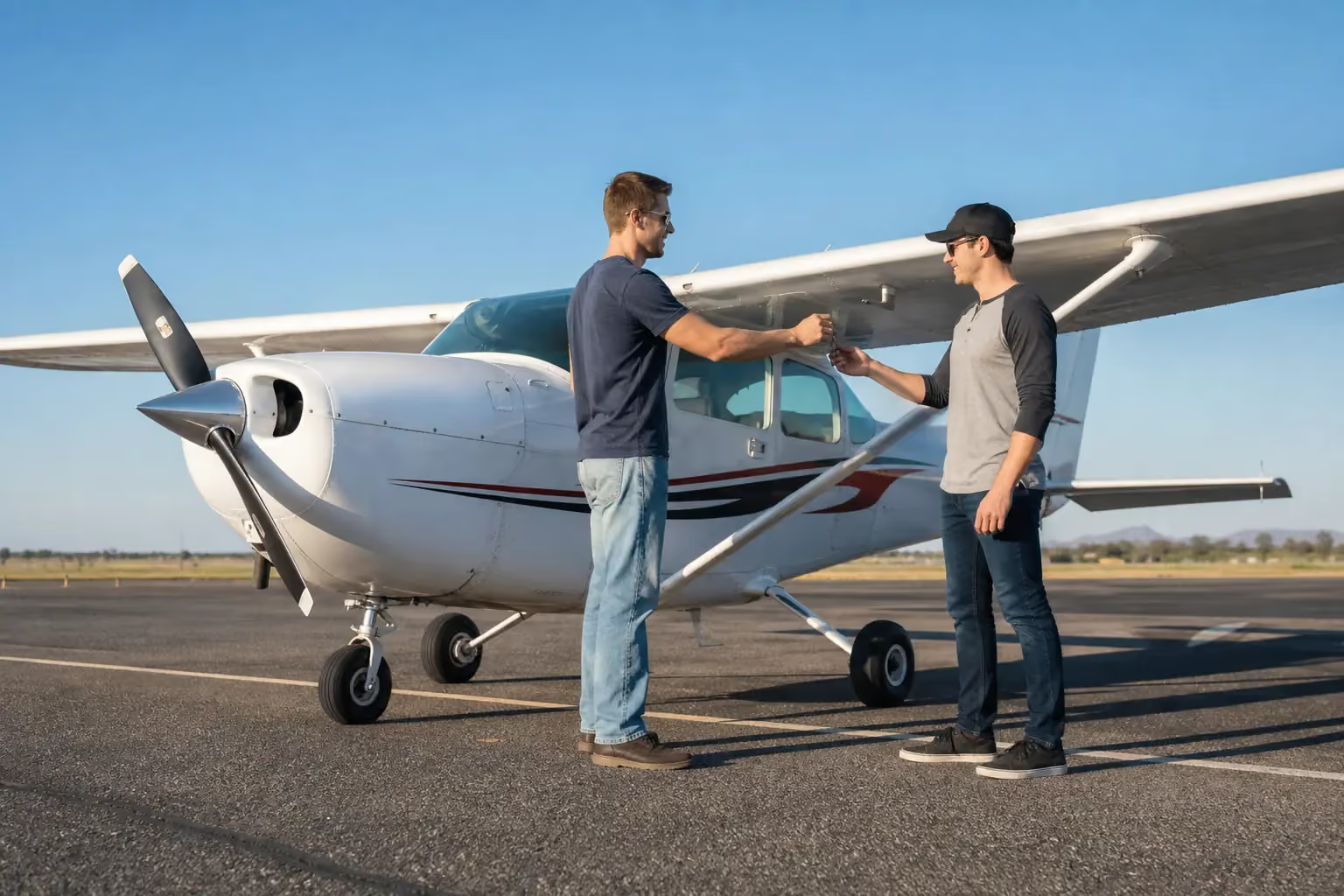
A lot of pilots use the words "renting" and "borrowing" interchangeably when they talk about flying someone else's aircraft. Legally and from an insurance standpoint, those two situations are actually different, and that difference matters when you need to file a claim.
If you have non-owned aircraft insurance, or you're shopping for it, understanding which flying scenarios your policy covers is worth a few minutes of your time. The short version: a non-owned policy is built for any aircraft you fly but don't own, whether you're paying an FBO $150 an hour or taking up a friend's Piper Cherokee for free. But the details matter.
What "non-owned" actually means
The term is broader than it sounds. A non-owned aircraft insurance policy covers you as the pilot when you're operating any aircraft not registered in your name. That includes aircraft you rent from a flight school, aircraft you rent from a flying club, and aircraft you borrow informally from another pilot.
The policy follows you, not the plane. So if you rent a Cessna 172 on Monday from your local FBO and borrow a Piper Archer from a friend on Saturday, one annual policy typically covers both flights. You're not locked into a specific aircraft or a specific operator.
Renting from a flight school or FBO
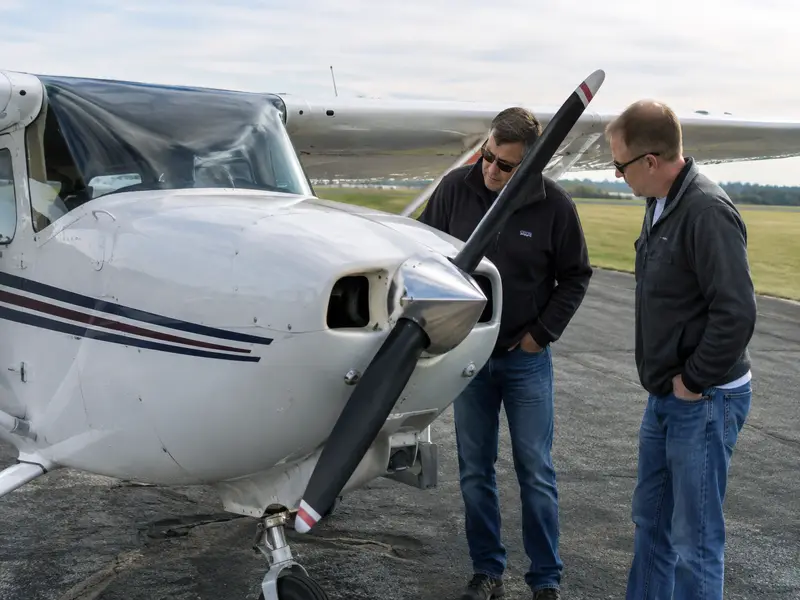
This is the most common scenario. You pay an hourly rate, sign a rental agreement, and go fly. The flight school carries its own insurance on the aircraft, but that policy protects the school, not you as the renter.
If you damage the aircraft, the school's insurer will typically go after you to recover costs through a process called subrogation. Most rental agreements also hold you responsible for the deductible, which can run anywhere from $2,000 to $10,000 or more depending on the school's policy and the aircraft's value.
Your non-owned aircraft insurance covers physical damage to the rented aircraft up to your hull coverage limit, and it covers your personal liability if the accident injures someone or damages property. It sits between you and those costs so you're not writing a check out of pocket after an incident.
One thing to check before renting anywhere new: some rental agreements include a waiver of subrogation, which means the school agrees not to come after you if their insurer pays a claim. Read that section carefully. If the agreement doesn't include it, your renters policy becomes more important, not less.
Borrowing a friend's aircraft
This is where pilots often assume they're covered and sometimes find out they're not.
When you borrow a friend's plane, you're operating a non-owned aircraft. Your non-owned insurance still applies to cover your liability and any physical damage you cause. That part works the same way it does when you rent.
What changes is the owner's side. Your friend's aircraft insurance policy will have specific language about who is and isn't covered to fly their plane. Most owner policies include an "open pilot warranty" that allows other qualified pilots to fly the aircraft, but the owner's policy is there to protect the aircraft and the owner, not you as the borrowing pilot.
If your friend's policy does not cover the situation, or if their insurer decides to subrogate against you after a claim, your non-owned policy is what stands between you and that outcome. Flying a borrowed aircraft without your own coverage is a real exposure, even when the owner seems confident their policy handles everything.
This also applies to flying a family member's aircraft. The relationship doesn't change the insurance math. If you're not on their policy as a named insured, you should carry your own.
What coverage you actually need
Whether you're renting or borrowing, the coverage structure is the same:
Liability coverage protects you if your actions as a pilot result in bodily injury or property damage to a third party. Most flight schools and clubs require a minimum of $1,000,000 per occurrence. Even if no one requires it of you, this coverage is worth carrying because a single liability claim without it can be financially catastrophic.
Hull coverage (sometimes called physical damage coverage) pays for damage to the aircraft you were flying. When you rent, the amount you need often corresponds to the deductible on the flight school's policy. When you borrow, you'll want to think about the value of your friend's aircraft and what you'd realistically be responsible for if something goes wrong.
For student pilots and newer renters, non-owned aircraft insurance is also worth having before your flight school requires it, not just after. A policy through SkyWatch aircraft renters insurance can be active before your next lesson.
One policy, multiple aircraft
A common question we hear from pilots who fly different aircraft at different schools or clubs: do you need a separate policy for each one?
Generally, no. A non-owned aircraft policy covers you across different aircraft you don't own, within the same policy period. That means a renter who flies a Cessna 152 at one school and borrows a Diamond DA40 from a friend on weekends can be covered under the same annual policy.
That said, policies do have limits and exclusions. Some policies exclude certain aircraft types or require higher minimums for higher-value planes. Read your policy documents, and if you have questions about a specific aircraft, contact your insurer before you fly it.
If you're a flight instructor who also rents or borrows aircraft outside of your instructing duties, make sure your policy covers both roles clearly. CFI coverage and standard renters coverage are not always the same thing.
Frequently asked questions
Does non-owned aircraft insurance cover borrowing, not just renting?
Yes. Non-owned aircraft insurance is designed for any aircraft you pilot but do not own. Renting and borrowing both fall under that definition. The policy covers you as the pilot regardless of whether money changed hands.
If my friend says their aircraft insurance covers me, do I still need my own policy?
It depends on the specific language in their policy, but in most cases you should still carry your own coverage. Your friend's policy is primarily there to protect them and their aircraft. Even if you're listed as a permissible pilot, you may not have the same liability protections as the named insured. Your own non-owned policy gives you independent coverage that doesn't depend on the owner's insurer agreeing to protect you.
Does a non-owned policy cover more than one aircraft?
Yes, in most cases. A non-owned aircraft insurance policy follows you as the pilot, not a specific plane. That means one annual policy generally covers you across different aircraft you rent or borrow throughout the year. Always confirm with your insurer if you plan to fly aircraft above a certain value or in specific categories not listed in your policy.
What liability limits should I carry as a renter or borrower?
Most flight schools require at least $1,000,000 per occurrence in liability coverage. Even when no one is requiring a specific amount, that floor is a reasonable place to start. If you regularly fly with passengers or into higher-traffic airports, you may want to look at higher limits. Hull coverage should at minimum cover the deductible on the aircraft owner's or school's policy.
Does it matter that I'm borrowing and not paying to rent?
From an insurance standpoint, no. The key factor is that you're operating an aircraft you do not own. Whether you paid to fly it or borrowed it for free, you have the same liability exposure as a pilot, and a non-owned aircraft policy covers both scenarios the same way.