
Why a Checklist Matters Before You Buy
Buying your first light aircraft is a significant financial and operational commitment. Unlike buying a car, there is no Carfax report, no dealer warranty, and very little standardization in how aircraft are maintained or documented. A single overlooked item during the buying process can cost you tens of thousands of dollars in repairs, or worse, ground an aircraft that should never have left the ramp.
This checklist covers the key areas every first-time buyer needs to address before signing anything. Work through each section methodically, and bring in qualified professionals at every stage where the stakes are high.
Step 1: Pre-Purchase Inspection
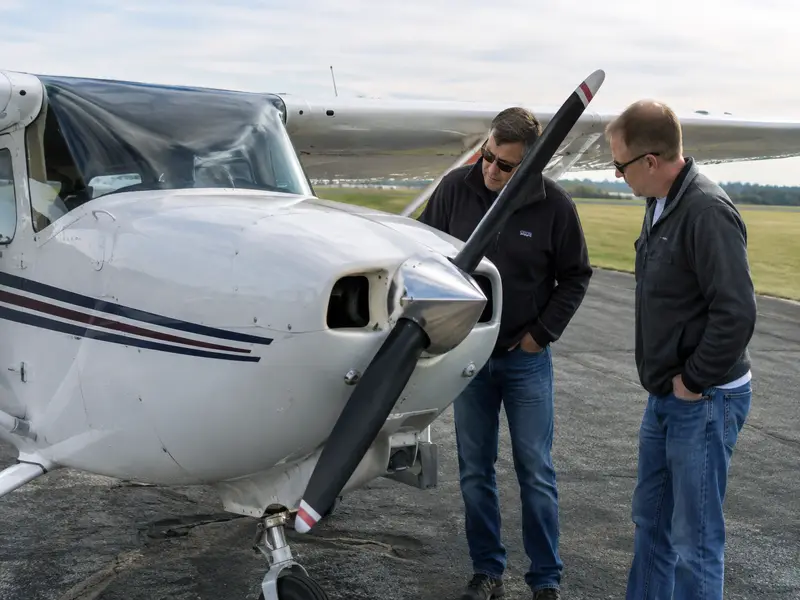
The pre-purchase inspection (PPI) is the foundation of any aircraft purchase. Never skip it, and never let the seller choose the mechanic who performs it. Find an independent A&P mechanic, ideally one with a specific type rating or strong familiarity with the make and model you are buying.
What the Inspection Should Cover
- A full annual inspection review, or a fresh annual inspection if the current one is near expiration
- Compression tests on all cylinders
- Oil filter inspection for metal particles
- Inspection of all control surfaces, hinges, and cables
- Review of all ADs (Airworthiness Directives) for compliance
- Fuel system integrity and fuel cap condition
- Landing gear inspection, including retract systems if applicable
Expect to pay $500 to $1,500 for a thorough PPI. That cost is trivial compared to discovering a cracked spar or a failing engine after the purchase is complete.
Step 2: Airframe Inspection
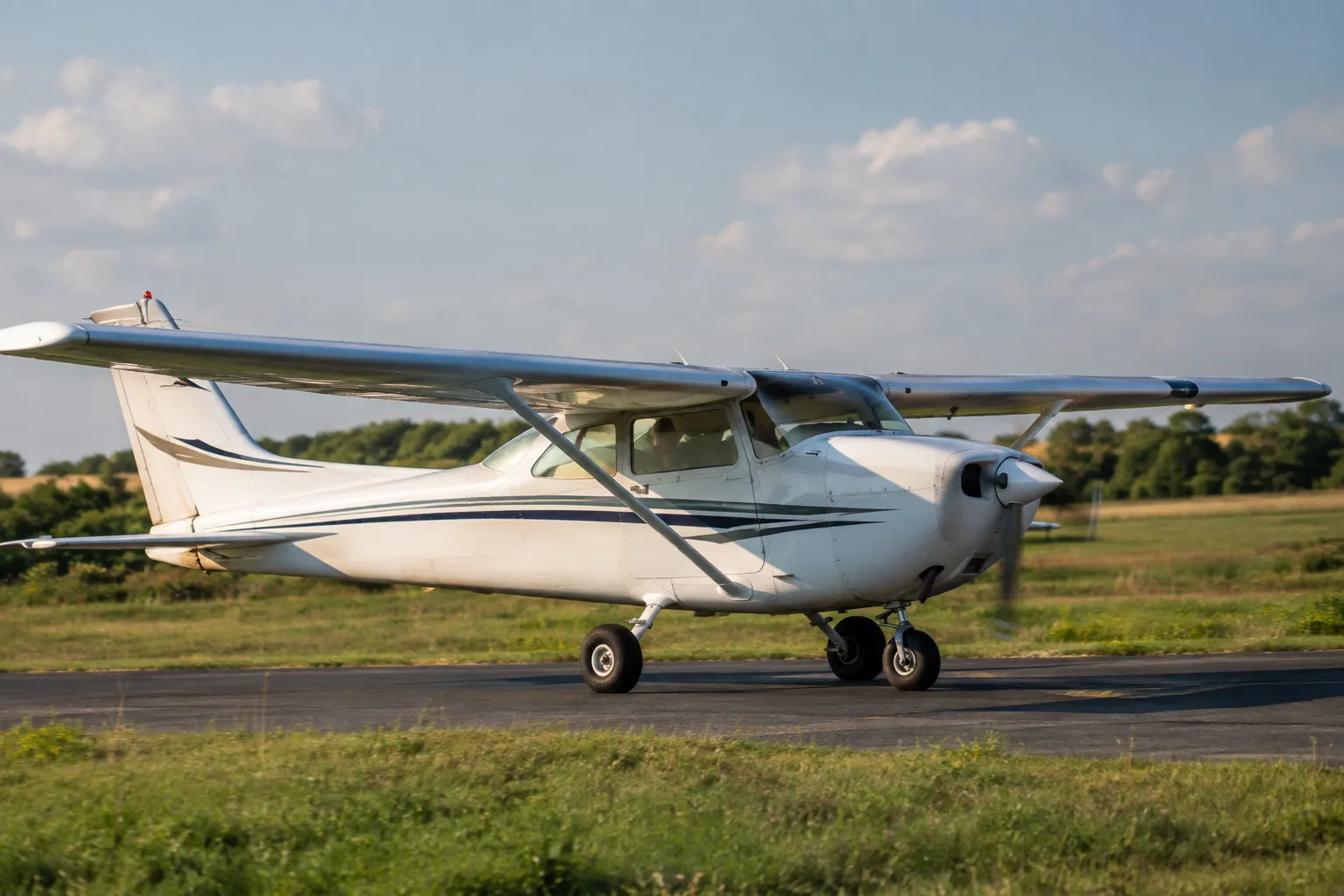
The airframe is the structure of the aircraft. Damage here can be invisible on the surface and expensive to repair correctly. Ask for a full damage history and look at the aircraft physically for signs of past repairs.
What to Look For
- Skin waviness, rippling, or misaligned panels, which can indicate previous structural repair
- Corrosion, particularly in hidden areas like wing roots, under floor panels, and inside control surfaces
- Paint inconsistencies that suggest a panel has been replaced
- Misaligned doors or windows, which can point to airframe distortion
- Any previous major repairs listed in the logbooks and signed off by an A&P or IA
If the aircraft has been involved in an accident or incident, that information should appear in FAA records and the logbooks. Cross-reference both.
Step 3: Engine Inspection
For most single-engine piston aircraft, the engine represents a large portion of the total value. Understanding exactly where an engine is in its lifecycle is non-negotiable before purchase.
Key Engine Metrics
- Time Since New (TSN) and Time Since Overhaul (TSOH): Compare these against the manufacturer's recommended Time Between Overhaul (TBO). An engine approaching TBO may need an overhaul within the next few years, which can run $20,000 to $40,000 or more.
- Cylinder compression: A mechanic will perform a differential compression test. Results below 60/80 on any cylinder are a red flag.
- Oil analysis history: Regular oil analysis reports show trends in metal content. Ask for at least the last three to five reports.
- Type of overhaul: A factory remanufactured engine carries a new zero-time log. A field overhaul does not. Know the difference and price accordingly.
If you are considering a single-engine aircraft insurance policy, insurers will often ask about engine times and overhaul history when calculating your premium. Having clean records benefits you both operationally and financially.
Step 4: Avionics Review
Avionics can add or subtract significant value from an aircraft. A well-equipped panel with a modern GPS, ADS-B Out compliance, and a reliable autopilot can justify a higher asking price. Outdated or non-compliant equipment can mean immediate out-of-pocket expense.
Avionics Checklist Items
- Confirm ADS-B Out compliance. Non-compliant aircraft are restricted from most controlled airspace.
- Check the age and status of the transponder. It must pass a 24-month inspection under FAR 91.413.
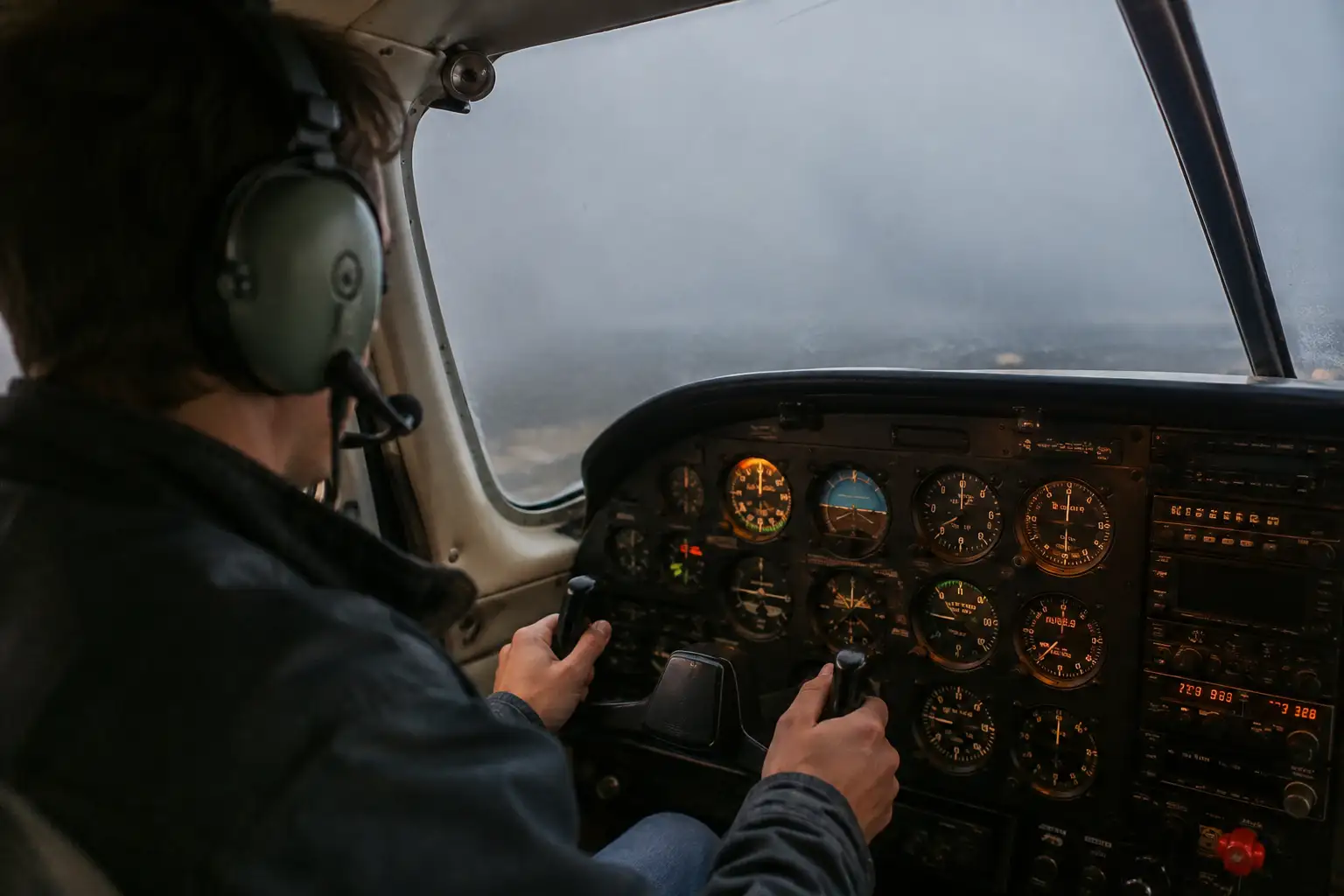
- Inspect the GPS and nav/com units. Determine if database subscriptions are current and what update costs look like annually.
- Test all radios during a ground check, including intercom systems.
- Verify autopilot function if installed. Autopilot repairs can be expensive and hard to source for older systems.
Step 5: Logbook Review
An aircraft's logbooks are its permanent record. Gaps, inconsistencies, or missing entries are serious problems that can affect airworthiness, resale value, and insurability.
What to Verify in the Logbooks
- Continuous, unbroken entries from manufacture to present
- All annual inspections signed off by an IA (Inspection Authorization holder)
- All AD compliance noted with dates and mechanic signatures
- Major repairs and alterations documented on FAA Form 337
- Engine and propeller times accurately tracked and consistent between airframe and engine logs
If logbooks are missing or incomplete, treat that as a dealbreaker unless the price reflects a significant discount and you have a clear plan for dealing with the documentation gap.
Step 6: Title Search and Lien Check
Aircraft titles in the U.S. are registered with the FAA Aircraft Registry in Oklahoma City. Before any money changes hands, run a title search through the FAA or use a third-party aviation title company.
What You Are Looking For
- Confirmed ownership matching the seller's name exactly
- No outstanding liens from lenders or maintenance providers
- No pending legal judgments or encumbrances against the aircraft
- A clean chain of title from all previous owners
A title search typically costs $100 to $300 and can save you from inheriting someone else's debt. Some buyers also purchase title insurance through an aviation escrow service as an added layer of protection.
Getting Insured as a First-Time Owner
Once you have completed your due diligence and are ready to close, arranging owned aircraft insurance should happen before you take delivery. Policies for new owners typically require information about your total flight hours, ratings, recent flight experience, and the aircraft itself.
If you have been flying rental aircraft and are now transitioning to ownership, note that aircraft renters insurance covers a different set of risks than an owner policy. An owner policy covers physical damage to your aircraft, liability, and in many cases, medical payments. Make sure you understand what your coverage includes and does not include before your first flight as an owner.
When shopping for aircraft insurance, be prepared to provide total time in type, instrument rating status, and any recent flight review or checkout documentation. Insurers use this information to assess risk and price your policy accordingly.
Frequently Asked Questions
How much does a pre-purchase inspection cost?
Most PPIs for light single-engine aircraft range from $500 to $1,500 depending on the mechanic, the aircraft type, and how thorough the inspection is. Complex or multi-engine aircraft will cost more. Always factor this into your buying budget.
Can I buy an aircraft with missing logbooks?
Technically yes, but it comes with significant risk. Missing logbooks make it difficult to verify AD compliance, overhaul history, and total times. It can also complicate insurance applications and future resale. If you proceed, get a deeply discounted price and consult an aviation attorney.
Do I need a title search if I am paying cash?
Yes. Liens on an aircraft can follow the aircraft, not the seller. A title search confirms you are getting clear ownership with no financial claims attached. This applies regardless of how you pay.
When should I get insurance, before or after closing?
Before. You want coverage in place from the moment you take possession. Reach out to insurers during the due diligence phase so you are not scrambling at closing. Some sellers also require proof of insurance before allowing a pre-purchase flight.
What pilot qualifications do insurers typically look for in first-time owners?
Most insurers look at total logged flight hours, hours in type or similar aircraft, current ratings, and recent flight activity. Pilots with fewer hours or no time in the specific make and model may be required to complete a checkout or transition training before coverage becomes effective. Some insurers also set minimum hour requirements for certain aircraft categories.
Ready to protect your aircraft? Get a quote in minutes.
Get a Quote