
You have found the aircraft. You have done the pre-buy inspection, negotiated the price, and signed the paperwork. Then someone mentions insurance and the conversation shifts into territory that feels vague, expensive, and confusing.
We hear this a lot. Aircraft owners often know more about fuel burn and avionics stacks than they do about what goes into their insurance premium. That gap matters, because a policy that does not match how you actually fly can leave you underprotected or paying more than you need to.
Here is what actually goes into the cost of insuring a light aircraft, and how to think about your coverage before you buy.
Hull Coverage Versus Liability: Two Different Conversations
Most aircraft insurance policies have two main components, and it helps to understand each one separately before looking at a combined quote.
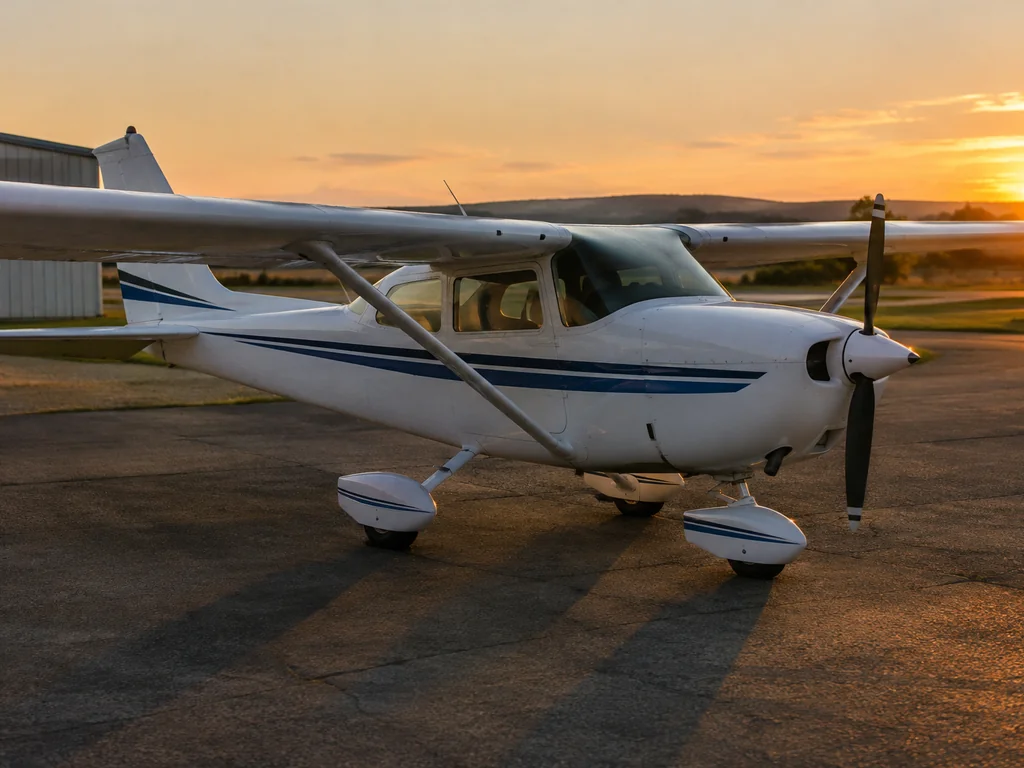
Hull coverage protects the physical aircraft. If your Cessna 172 is damaged in a gear-up landing, hail storm, or hangar incident, hull coverage pays for repairs or replacement up to the agreed value on your policy. The key word there is agreed value. Unlike auto insurance, which pays actual cash value after depreciation, most aviation hull policies pay the agreed amount you set at the time of purchase. That means your insured value should reflect what it would actually cost to replace the aircraft today, not what you paid for it three years ago.
Liability coverage protects you against third-party claims. If someone on the ground is injured, if you damage property during an accident, or if a passenger files a claim, liability coverage responds. Most lenders and many hangars will require minimum liability limits, and those requirements vary. The standard minimum most pilots carry is $1 million smooth, meaning $1 million per occurrence without a sub-limit per passenger.
What Drives Your Premium
Aviation underwriters look at a set of factors that are somewhat different from what drives your car insurance premium. Understanding these helps you present your risk accurately and shop for the right policy.
Total flight hours. This is often the biggest factor for newer pilots. Underwriters view low total time as higher risk. A pilot with 200 hours will generally pay more than a pilot with 1,000 hours in the same aircraft. The good news is that your premium typically decreases meaningfully as you build time, and the jump from below 250 hours to above 500 hours is often significant.
Time in type. Total hours matter, but so does experience specifically in the make and model you are insuring. If you are transitioning into a complex or high-performance aircraft, expect your underwriter to ask about your type-specific hours and recent training. Many policies require a certain number of dual hours in type before solo flight, especially for higher-value aircraft.
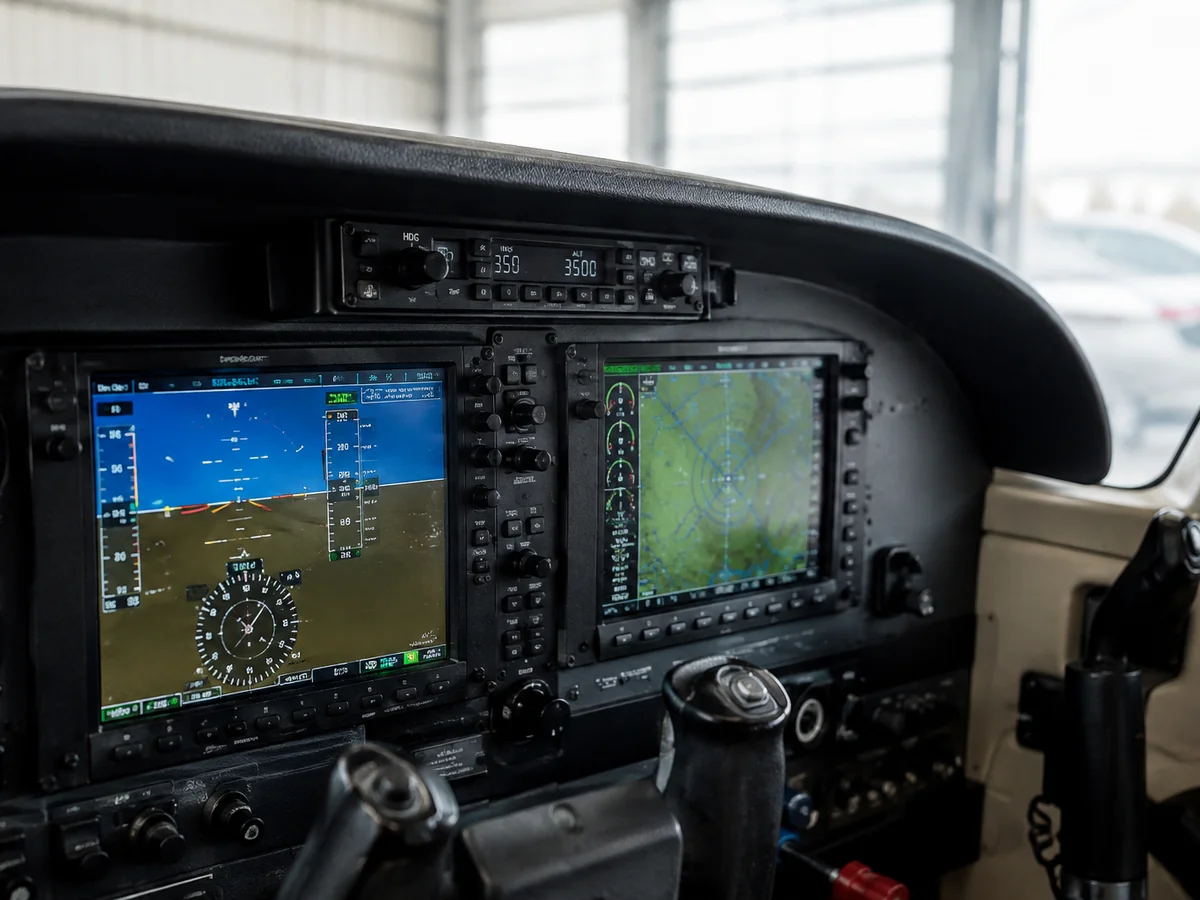
Aircraft value and type. A 1980 Cessna 172 with basic avionics will be less expensive to insure than a newer Cirrus SR22 with Garmin glass and a ballistic parachute. Higher-value aircraft carry higher hull premiums. Aircraft with a history of higher claim rates in that model category also tend to have higher premiums.
How and where you fly. Instrument flying, cross-country operations, and flying into busy Class B airspace are all factored into your risk profile. Flying primarily in fair-weather VFR conditions in rural areas presents a different risk picture than regular IFR operations into major airports. Some insurers also ask about annual hours flown. If you fly fewer than 100 hours per year, some carriers offer lower-utilization discounts.
Storage and hangar situation. An aircraft stored in a locked hangar is less exposed to weather and vandalism than one tied down outside. Hangar storage typically results in a lower premium, and some underwriters will ask for this detail specifically.
What a Realistic Range Looks Like
Annual insurance premiums for light single-engine aircraft typically fall somewhere between $1,200 and $6,000 per year for most owner-pilots, though this range can be wider in either direction. A low-time pilot insuring a high-value aircraft will be toward the higher end. An experienced pilot with 1,000 or more hours, insuring a mid-value piston single, may land well below $2,000 annually.
This is a meaningful line item in your total cost of ownership. Based on actual pilot-reported data from the general aviation community, insurance typically represents five to ten percent of annual ownership costs for a simple piston single, alongside fuel, maintenance, and hangar fees. It is worth budgeting accurately rather than guessing.
The SkyWatch Approach to Aircraft Owner Insurance
At SkyWatch, we built our aviation insurance platform around the reality of how light aircraft owners actually fly. Rather than routing you through a broker who takes days to come back with a quote, our platform lets you get a real quote quickly, with coverage options that reflect your specific aircraft, your flight history, and how you use the aircraft.
We cover the most common general aviation aircraft types flown in the US, including single-engine piston aircraft, light twins, and experimentals. Our policies are written through underwriters who specialize in general aviation, not providers who treat light aircraft as an afterthought alongside commercial fleet coverage.
If you are shopping for your first aircraft policy, or coming up for renewal and wondering whether you are getting the right coverage at a fair price, starting with a quote costs you nothing and takes a few minutes.
A Few Things Worth Checking on Any Policy
Before you sign, read the pilot warranty clause carefully. This section defines who is permitted to fly the insured aircraft, their required experience levels, and in some cases, what training must be completed before solo flight in the aircraft. Violating the pilot warranty, even unintentionally, can void your coverage at the worst possible moment.
Also check whether your policy covers aircraft in motion damage, not-in-motion damage, or both. Some hull policies exclude damage that occurs while the aircraft is taxiing or being moved on the ground. That matters if your aircraft ever gets clipped by ground equipment or another aircraft in the hangar row.
Finally, confirm whether the policy requires annual training or a flight review as a condition of coverage. Some insurers offer a discount for completing recurrent training. Others make it a requirement. Either way, recurrent training is a good idea regardless of your insurer's position on it.
Insurance is not the most exciting part of aircraft ownership. But getting it right is what protects everything you have invested in the aircraft and lets you keep flying with confidence.
If you are ready to see what a policy for your aircraft actually costs, get a quote at skywatch.ai.