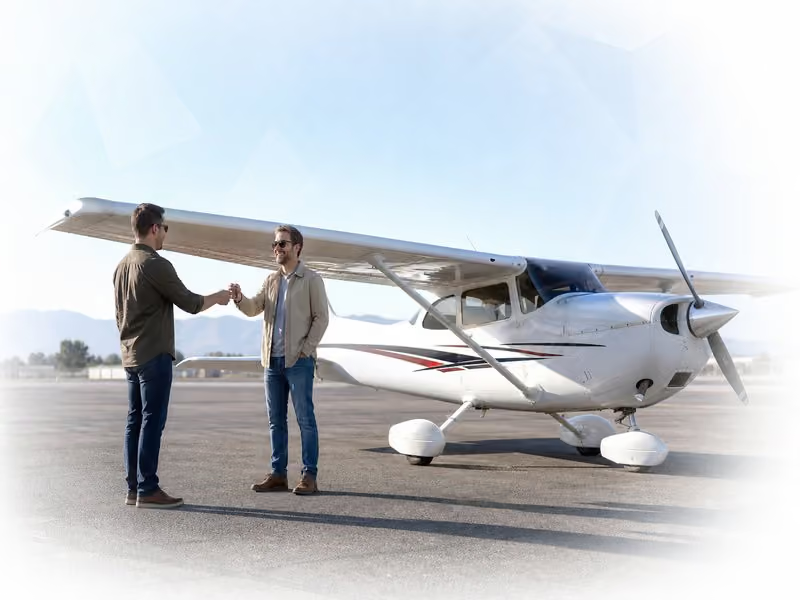
You bought your aircraft. You maintain it, insure it, and keep it current. Then a friend asks to borrow it for a weekend trip, or you let a fellow pilot take it up to build hours. It sounds simple enough. But handing over your keys does not mean you have handed over your insurance coverage, and the gaps can be significant.
This is one of the most common situations aircraft owners run into, and also one of the most misunderstood. Here is what you actually need to know before someone else climbs into the left seat of your aircraft.
Your Policy Was Written Around You
Aircraft insurance policies are written with specific pilots in mind. Most owner policies include an Open Pilot Warranty, often called an OPW. This is the section that defines who is covered to fly your aircraft beyond you and any named pilots listed on the policy.
A typical OPW might require any non-named pilot to have a certain number of total flight hours, a specific amount of time in type, and a valid medical certificate. If the person borrowing your plane does not meet those minimums, your policy may not cover a loss that occurs while they are flying.
This is not a loophole. It is written clearly in your policy documents. The problem is that most owners never read that section until something goes wrong.
Named Pilots vs. Open Pilot Warranty
Some policies allow you to add named pilots explicitly. When a pilot is named on your policy, the insurer has reviewed their credentials, logbook, and medical, and has priced coverage accordingly. That is a very different situation from the open pilot provision.
If your friend is not named and does not meet the OPW minimums, there are two possible outcomes: coverage applies with a higher risk exposure to you, or coverage is denied entirely for the loss. Which one depends on your specific policy language and the circumstances of the incident.
This is why it matters to actually read your policy before the conversation happens, not after.
Currency and Medical Status Matter
Even a highly experienced pilot can fall outside your coverage if they are not current. A lapsed BFR, an expired medical, or a gap in recent flight time can all create coverage problems under the OPW clause.
As the aircraft owner, the responsibility lands on you to verify that anyone flying your aircraft meets the requirements in your policy. Your insurer is not going to assume the other pilot was current. They are going to ask for documentation, and if it does not exist, the claim gets complicated quickly.
What About the Other Pilot's Insurance?
Some pilots carry non-owned aircraft insurance, which can provide liability protection for a pilot flying an aircraft they do not own. But non-owned policies are secondary coverage. They sit behind your primary policy as the aircraft owner.
If a claim is denied under your policy because the pilot did not meet your OPW requirements, the situation becomes a legal and financial puzzle. The non-owned policy may not respond the way you expect, and you could end up holding liability exposure you thought was covered.
Practical Steps Before You Hand Over the Keys
Before letting another pilot fly your single-engine aircraft, go through a short checklist. Pull out your policy and read the OPW section. Confirm the pilot's total hours, time in type, and currency. Make sure their medical is current. If they fall short of your OPW minimums, call your insurer and ask about adding them as a named pilot for the period they will be flying.
That conversation takes about ten minutes and prevents a claim denial that could cost you the value of your aircraft.
At SkyWatch, our aircraft owner policies are designed to be straightforward about who is covered and under what conditions. If you are unsure about your current coverage or want to understand exactly how your OPW works, you can get a quote and review your options in minutes at skywatch.ai.
Frequently Asked Questions
What is an Open Pilot Warranty in aircraft insurance?
An Open Pilot Warranty (OPW) is a clause in your aircraft owner policy that defines the minimum qualifications any non-named pilot must have to be covered while flying your aircraft. This typically includes minimum total hours, time in type, and a valid medical certificate. If a pilot does not meet these requirements, coverage may not apply for losses that occur while they are flying.
Can I let a friend fly my plane if they are not on my policy?
It depends on whether your policy has an OPW and whether your friend meets those minimums. If they qualify under the open pilot provision, coverage likely applies. If they do not meet the requirements, you risk having a claim denied. The safest approach is to verify their credentials against your policy requirements before they fly, or to add them as a named pilot temporarily.
What happens if someone not covered by my OPW damages my aircraft?
If the pilot flying your aircraft does not meet your OPW minimums and your policy does not have a named pilot provision covering them, your insurer may deny the hull damage claim. You could be responsible for repair or replacement costs out of pocket. Liability exposure for third-party damage is a separate question and depends on your specific policy terms.
Does the other pilot's non-owned insurance protect me as the aircraft owner?
Non-owned aircraft insurance protects the pilot flying your plane, not you as the owner. It is secondary coverage that sits behind your primary policy. It does not replace your coverage or fill in gaps created by an OPW violation on your policy. Each policy serves a different purpose, and they do not automatically complement each other in a claim situation.
How do I add another pilot to my aircraft insurance policy?
Contact your insurer or broker directly and ask to add the pilot as a named pilot on your policy. You will typically need to provide their logbook records, certificate information, and medical status. Your insurer will review their qualifications and may adjust your premium based on their experience level. This is the most reliable way to ensure full coverage when someone else is flying your aircraft.