Picking the wrong coverage limits is one of the most common mistakes ag drone operators make. Not too little, not too much. Getting it right depends on understanding what you're actually flying, where you're flying it, and what it would cost if something went wrong. Agriculture drone insurance coverage limits are not one-size-fits-all, and treating them that way can leave you either exposed to serious financial risk or paying for protection you don't need.
We've issued more than 300,000 commercial drone insurance policies, and the operators who run into trouble at claim time are almost always the ones who picked limits based on a quick guess rather than a real look at their operation. This post is about helping you avoid that.
Matching Your Coverage Limits to Your Operation's Real Risk
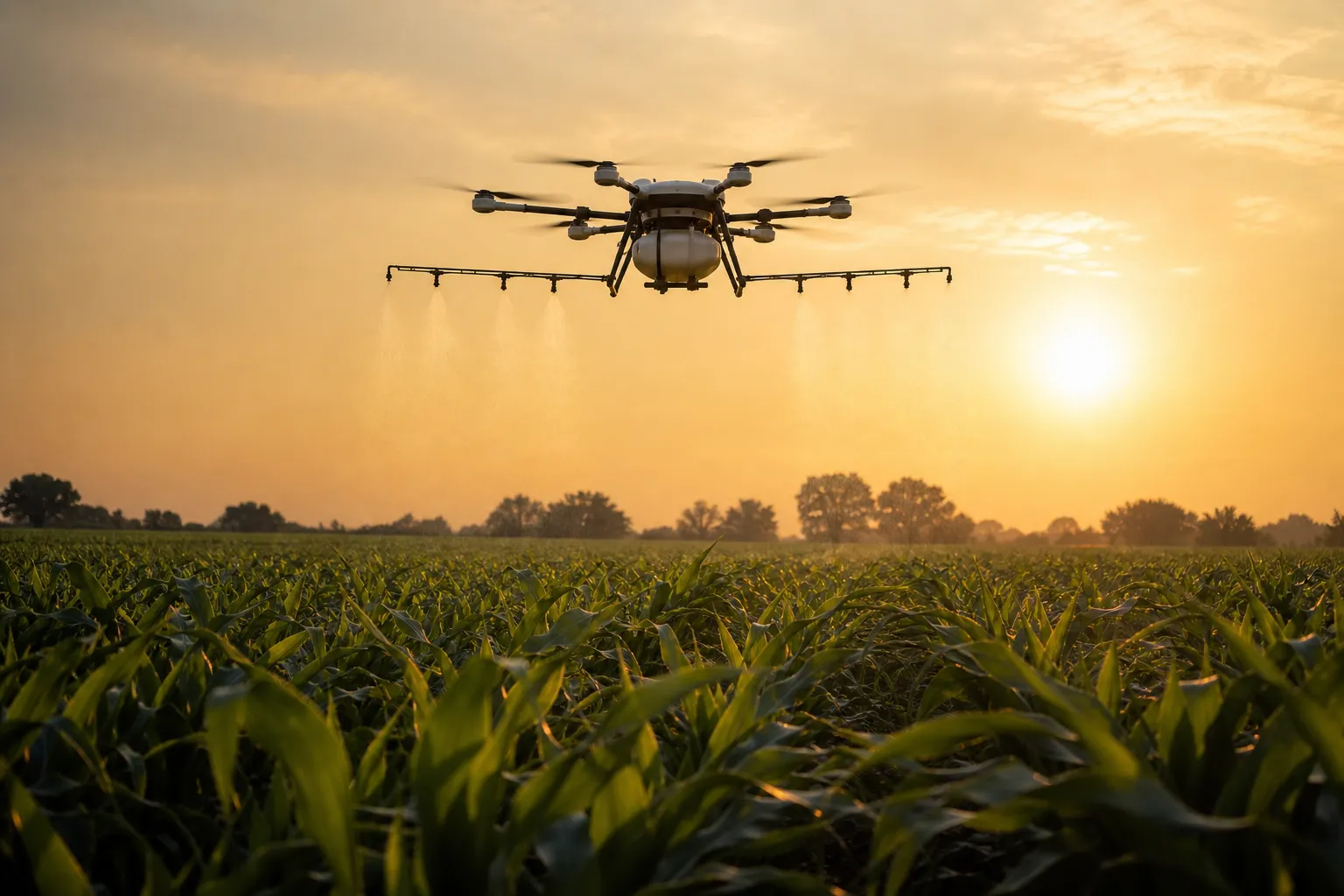
Start with liability. For most commercial ag drone work, liability is where the real exposure lives. A drone carrying a spray tank over a neighbor's property, a crowded farmstead, or near livestock carries more risk than a mapping drone flying a clean grid over open fields. If something goes wrong, you could be looking at property damage claims, crop contamination liability, or personal injury costs that add up fast. Ag drone liability coverage amount should reflect that. For most operations, a minimum of $1 million per occurrence is a reasonable floor, but operators flying regularly over high-value crops or near populated areas should seriously consider $2 million or more.
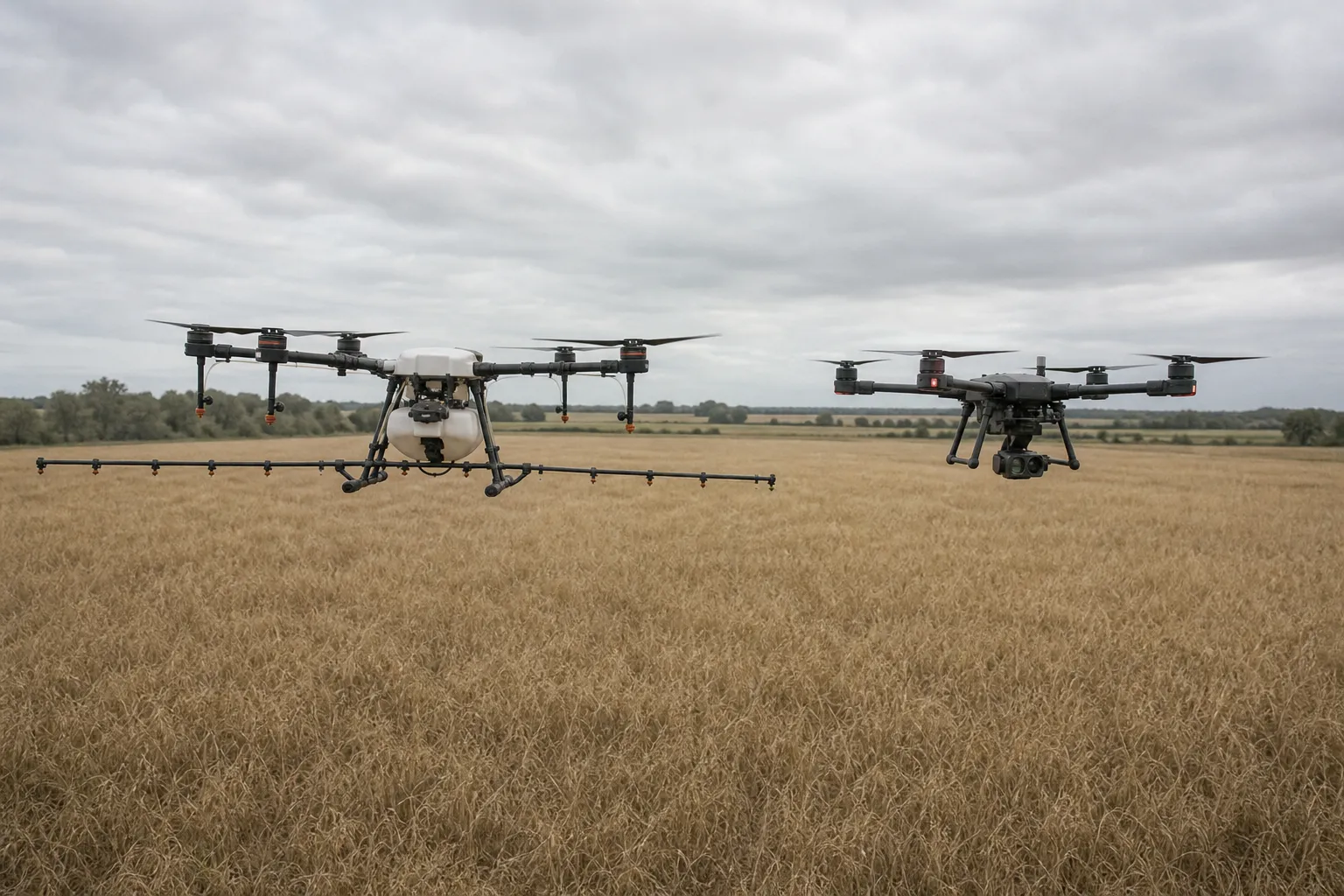
Hull coverage is a separate question. Your aircraft's value matters here. If you're flying a $15,000 DJI Agras or a similar high-end spray drone, insuring it for its replacement cost is worth it. A lot of operators underinsure hull because premiums feel easier to justify that way, but a total loss with no hull coverage is a painful lesson. Make sure your policy limit actually reflects current market replacement value, not what you paid two years ago.
Think about payload and equipment, too. Many standard commercial drone insurance policies cover the aircraft itself but draw a clear line at detachable equipment. Spray systems, sensors, and other payloads may need separate coverage or a rider. Ask specifically. We work with underwriters who specialize in ag drone operations, and this is one of the first things they flag when reviewing a policy request from an ag operator.
How much drone insurance do I need for farming is a question we hear constantly, and the honest answer is that it depends on scale. A part-time operator doing spot spraying on a few hundred acres a year has different exposure than a full-time commercial applicator covering thousands of acres across multiple counties. If you're hired by other farmers, your contracts may actually dictate minimums. Many ag businesses now require vendors to carry at least $1 million in liability before they'll allow work on their property. Review any service agreements you've signed before you pick a limit.
Don't forget to think about third-party property in context. If you're spraying near an organic operation, a misapplication claim could involve the cost of decertification. That's not a small number. The ag drone liability coverage amount you carry should account for worst-case scenarios in your specific operating environment, not just average ones.
Coverage for hull and payload also connects to how you're financing or leasing your aircraft. Some lenders require specific minimums as a condition of the loan. Check your financing documents if that applies to you.
When you're comparing agriculture drone insurance options, pay close attention to what the commercial drone insurance policy limits actually cover per occurrence versus in aggregate. An aggregate limit is the ceiling across all claims in a policy period. If you have a busy season and something goes wrong more than once, that aggregate limit is what matters, not the per-occurrence number alone. Both numbers need to make sense for your volume of work.
Our team has nearly perfect 5-star customer support ratings because we take time to help operators understand what they're actually buying. Agriculture drone insurance coverage limits should be chosen with full information, not just a number pulled from a dropdown.
Frequently Asked Questions
What is the minimum liability coverage I need for commercial ag drone work?
Most commercial agriculture drone operators should carry at least $1 million per occurrence in liability coverage. Operators working under contract for other farms or agribusinesses often face contractual minimums of $1 million or more. Higher-risk operations, such as those spraying near organic farms or populated areas, should consider $2 million or more per occurrence.
Does agriculture drone insurance cover spray drift or crop damage claims?
Coverage for spray drift and crop damage claims depends on your specific policy. Some agriculture drone insurance policies include chemical drift liability, while others exclude it or require a separate endorsement. Always confirm with your insurer whether pesticide and herbicide application liability is explicitly covered before you start commercial spraying work.
How do commercial drone insurance policy limits differ from aggregate limits?
A per-occurrence limit is the maximum your insurer pays for a single claim. An aggregate limit is the total amount paid across all claims in your policy period. If you fly frequently, your aggregate limit is the more important number to watch. Operators doing high-volume ag work should ensure their aggregate limit is high enough to cover multiple incidents in a single season.
Is hull coverage included in standard ag drone insurance policies?
Hull coverage is not always included by default in agriculture drone insurance coverage limits. Many policies offer liability coverage as the base, with hull coverage available as an add-on. If your drone is worth $10,000 or more, purchasing hull coverage at its current replacement value is worth the additional premium.
Ready to get the right coverage for your ag drone operation? Get a quote at skywatch.ai.