We talk to commercial drone operators every week, and one thing comes up more than almost anything else: the assumption that having insurance means being covered. It sounds reasonable. But the reality is that a lot of operators are carrying policies that will not hold up when something actually goes wrong.
These are not obscure edge cases. These are situations that happen on real jobs, with real consequences. Here are the five most common commercial drone insurance gaps we see, and what you can do about them.
1. Your general liability policy probably excludes drones
This one surprises a lot of operators. Most standard commercial general liability policies include an aviation exclusion. That means if your drone causes property damage or injures someone during a commercial operation, your CGL policy will not respond. The exclusion is written to cover aircraft, and regulators and insurers treat commercial drones as aircraft.
If you added drone services to an existing business, like a construction company that started using drones for site surveys, you need a dedicated aviation liability policy. A rider or endorsement on a general commercial program is rarely sufficient.
2. App-based policies often fail at contract review
On-demand drone insurance apps have made it easy to buy coverage fast. For casual jobs without formal contracts, they work fine. But if you are doing work for general contractors, utilities, media companies, or government agencies, the contract insurance requirements are often more specific than what a self-service app can provide.
Clients in these sectors typically require minimum liability limits, additional insured endorsements, and specific policy language. App-based products are designed for simplicity. They are not built for the underwriting depth that contract-driven commercial work demands. If a client rejects your certificate of insurance, that job does not happen.
3. Hull coverage does not include your payload
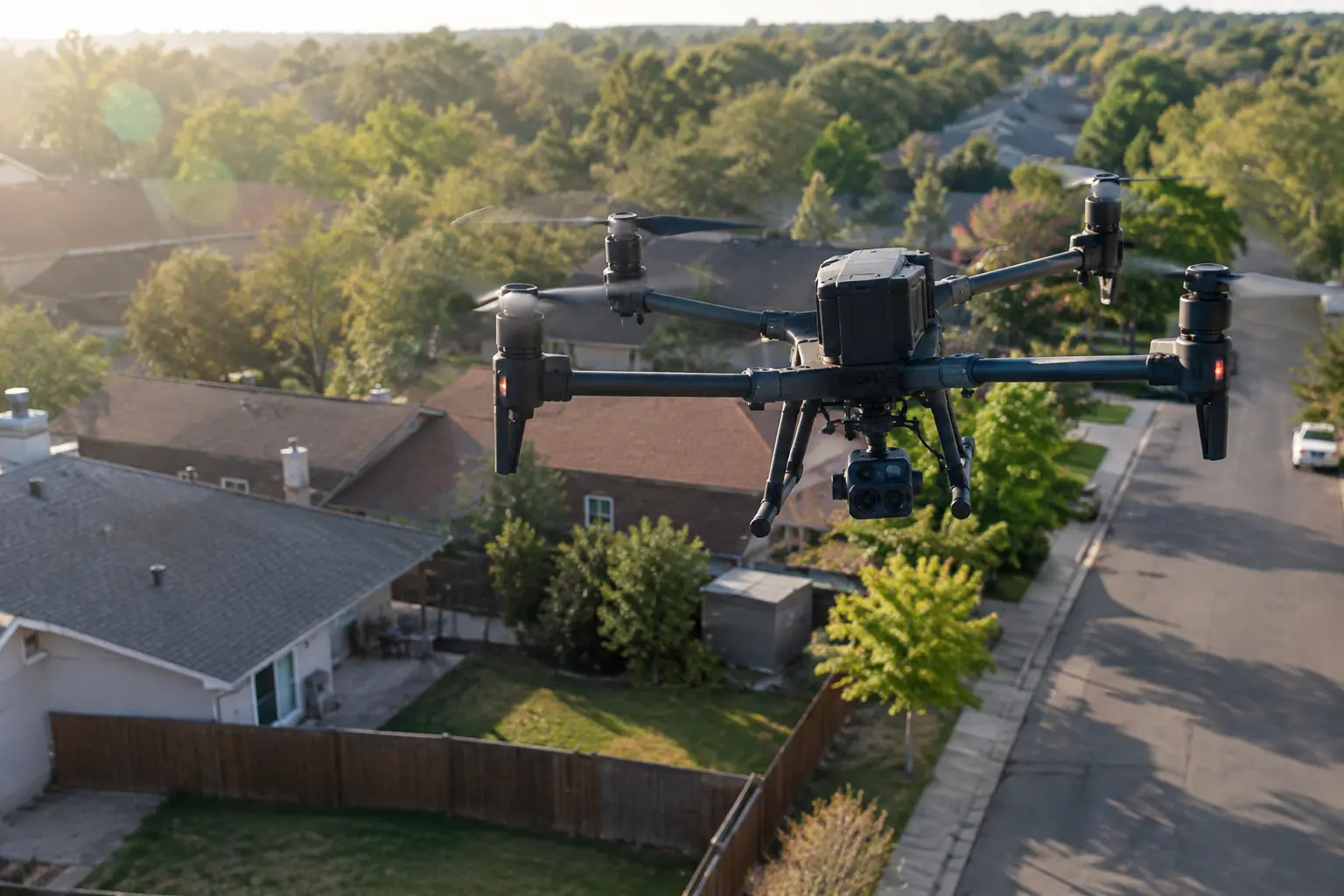
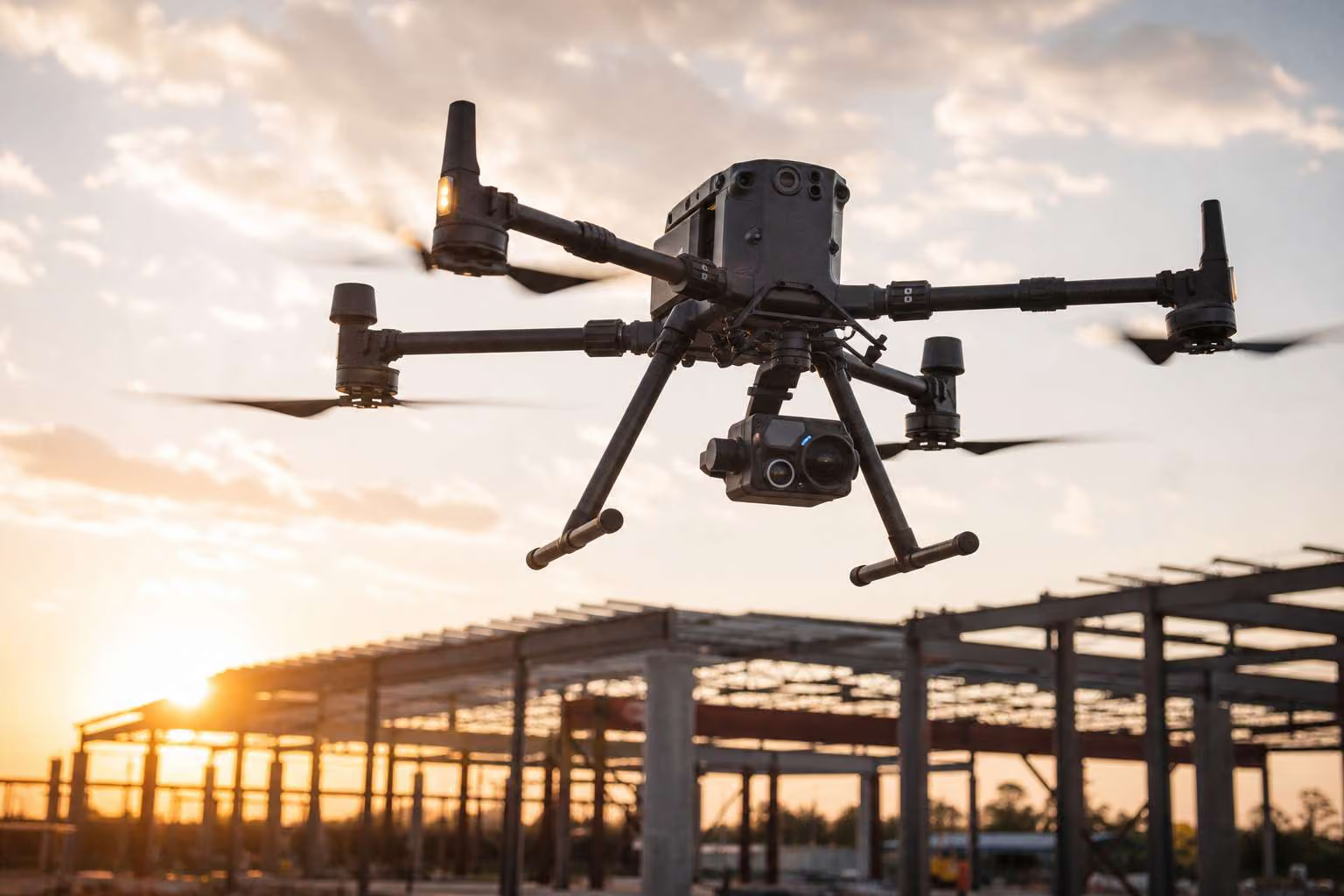
Hull insurance covers the drone itself against physical damage. What it usually does not cover is the equipment attached to it. Cameras, LiDAR sensors, thermal imagers, and multispectral sensors are typically not included in a standard hull policy. They require separate payload coverage.
For operators whose drone might be worth $8,000 but whose payload is worth $20,000, this gap is significant. A crash that totals the aircraft and destroys the sensor package could leave you with a partial payout and a large out-of-pocket loss. Check your policy language carefully before assuming payload is included.
4. Your liability limits may not match what clients require
A lot of operators buy $1 million in liability coverage because it is the number they see most often. But client requirements vary widely. General contractors on larger commercial projects frequently require $2 million or $5 million per occurrence. Some municipalities and public agencies require higher. Venues hosting events often have their own thresholds.
The issue is that operators often find out what a client requires after they have already accepted the job. By then, adjusting coverage can take time, and some underwriters require notice periods for limit changes. Review contract insurance requirements before you quote the work, not after.
5. Certain operations may be excluded from your policy
Buying a drone insurance policy does not mean every type of flight is covered. Most aviation liability policies include exclusions for specific operations, and those exclusions can void coverage in situations operators encounter regularly.
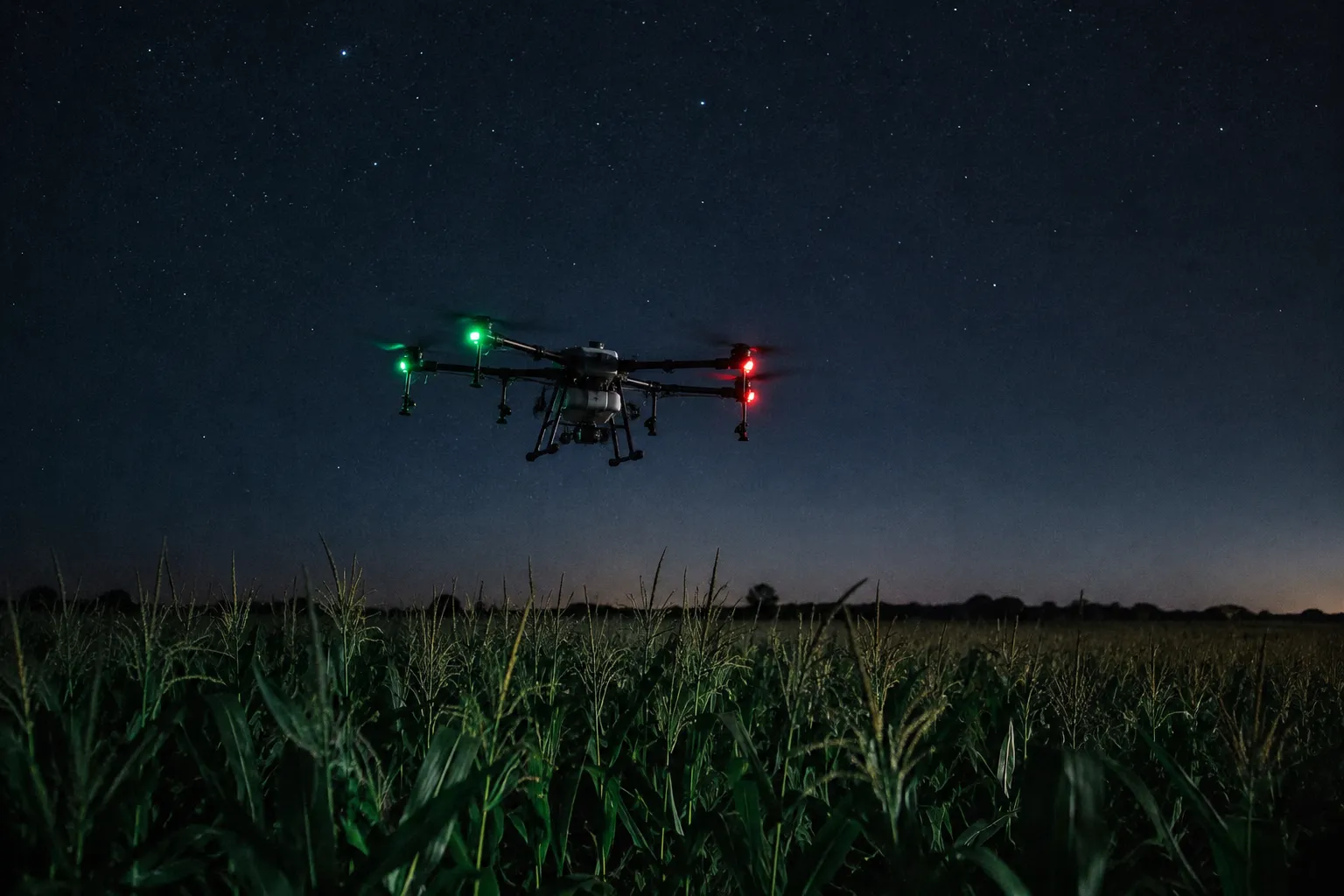
Common exclusions include flying over crowds without a specific endorsement, operations beyond visual line of sight without FAA authorization and policy approval, night operations without verification that the policy permits them, and flights in controlled airspace without proper authorization. An operator who assumes their policy covers all Part 107 operations may be wrong. Read the exclusions before you fly.
How to close the gaps
The pattern here is consistent: operators buy coverage without verifying that it actually fits the work they do. The fix is straightforward. Get a dedicated aviation liability policy, not a general business policy with a drone add-on. Confirm your limits match what your actual clients require. Make sure hull coverage extends to your payload. And read your policy exclusions so you know exactly what operations are and are not covered.
SkyWatch provides drone insurance built specifically for commercial operators, with coverage options that hold up to real contract requirements and real-world operations. If you want to know where your current policy has gaps, that conversation starts at skywatch.ai.
Frequently Asked Questions
Does my general business liability insurance cover my commercial drone operations?
In most cases, no. Standard commercial general liability policies include aviation exclusions. Commercial drone operations typically require a dedicated aviation liability policy to be properly covered.
What is payload coverage and do I need it?
Payload coverage protects the cameras, sensors, and other equipment attached to your drone. Hull insurance covers the aircraft itself but usually excludes attached equipment. If your payload is worth more than a few thousand dollars, you likely need separate payload coverage.
How much liability coverage should I carry as a commercial drone operator?
It depends on your clients and contracts. $1 million is a common baseline, but many commercial contracts require $2 million to $5 million per occurrence. Review your client contracts and check requirements before setting your limits.
Will an on-demand drone insurance app work for commercial contract jobs?
It depends on the job. For informal work without contract requirements, app-based coverage can be sufficient. For commercial contracts that specify additional insured endorsements, minimum limits, and specific policy language, you will likely need a more comprehensive policy.
What operations are commonly excluded from drone insurance policies?
Common exclusions include flights over crowds without a specific endorsement, beyond visual line of sight operations without FAA authorization and policy approval, night flights without policy confirmation, and operations in controlled airspace without proper clearance. Always read your policy exclusions before flying.