Most commercial drone operators carry insurance but have never actually filed a claim. That gap between paying for coverage and knowing how it works creates real problems when something goes wrong on a job. If a crash happens, a liability incident occurs, or equipment gets damaged, the last thing you want to do is figure out the process from scratch under pressure.
Here is what the claims process actually looks like, so you are not caught off guard when it matters.
Step 1: Stop flying and document everything immediately
The moment an incident happens, stop the flight if it is still in the air and do not touch or move anything until you have photos and video of the scene. This sounds basic, but operators often make the mistake of cleaning up first and documenting second. Insurers need to see the condition of the drone, the surrounding area, and any damage to third-party property exactly as it occurred.
Take wide shots and close-ups. Capture the entire scene from multiple angles. If there are witnesses, get their names and contact information. If a third party is involved, do not admit fault on the spot. Just exchange information and let the insurance carrier handle the liability piece.
Step 2: Report the incident to your insurer quickly
Most commercial drone insurance policies require you to notify your insurer promptly after an incident. Waiting days or weeks can complicate a claim or give the carrier grounds to question coverage. With on-demand policies, the notification process is typically done through the same app or platform you used to activate your flight coverage.
When you report, you will need to provide the date, time, and location of the incident, a description of what happened, the drone model and serial number, and details on any damage or injuries. Be accurate and thorough. Inconsistencies between your initial report and follow-up documentation slow claims down.
Step 3: Know which type of claim you are filing
There are two main categories, and they work differently.
A liability claim is filed when your drone causes damage to someone else's property or injures a third party. Your drone liability insurance covers the costs up to your policy limit, including legal defense if you get sued. The insurer handles the investigation and works directly with the affected party.
A hull claim is filed when your own drone is damaged or destroyed. You submit proof of the damage, typically photos plus a repair estimate or total loss documentation from a qualified repair shop. Your insurer will review the claim against your declared drone value and any deductible on your policy.
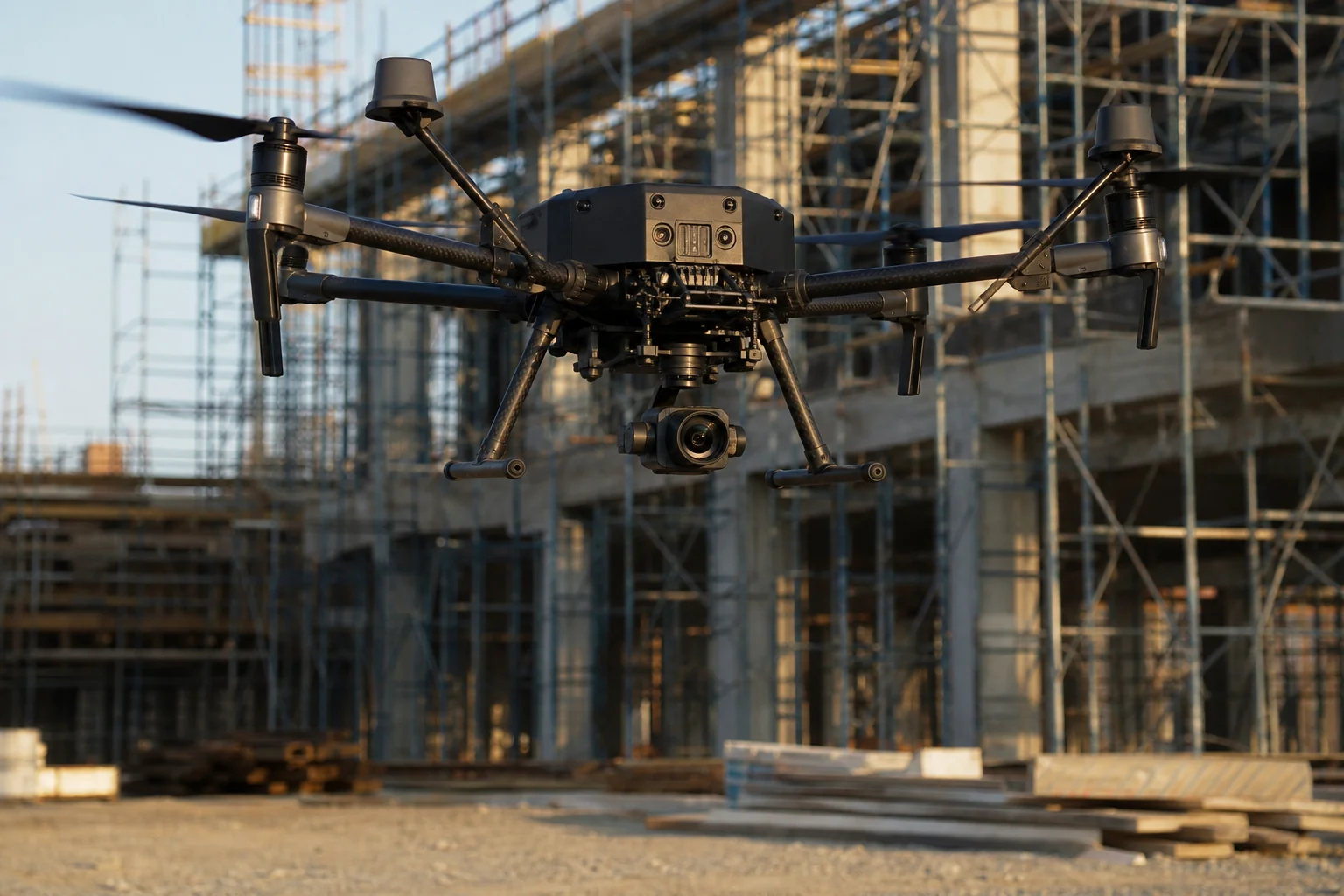
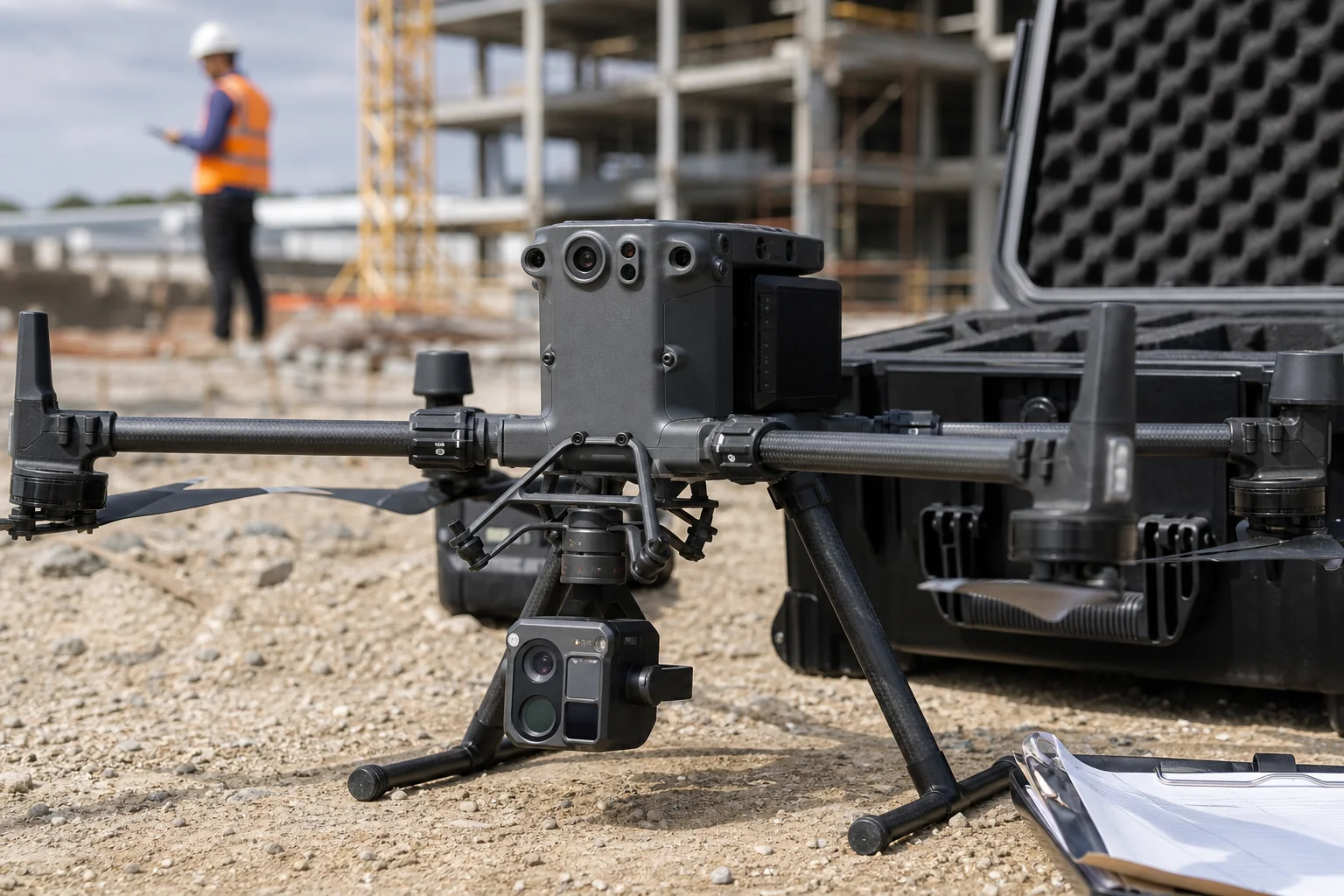
If your drone carries a payload like a LiDAR sensor, thermal camera, or cinema gimbal, check whether your policy covers it separately. Many standard hull policies cover the aircraft but exclude attached equipment unless payload coverage was added at the time you set up your policy.
What can slow down or complicate your claim
A few things consistently cause delays or denials.
Flying outside your approved operating area is one of them. If your policy covers operations in the continental US but you were flying internationally, or in restricted airspace without proper authorization, the carrier may deny coverage. Your policy reflects the scope of operations you described when you bought it.
An unlisted pilot is another common issue. If your business has multiple operators and only one is listed on the policy, a claim filed for an incident flown by an unlisted pilot can be disputed. Make sure every person flying under your commercial operation is included in your policy.
Gaps in documentation are the third major issue. Insurers need a paper trail. Flight logs, photos, incident reports, and witness statements all support your claim. The more complete your documentation, the smoother the process.
What to expect on the timeline
Simple hull claims on a clear-cut incident can resolve in days to a couple of weeks. Liability claims involving third-party injury or significant property damage take longer because the insurer needs to investigate, communicate with other parties, and sometimes involve legal review. Complex claims can take months.
Stay in contact with your claims handler and respond to requests quickly. Delays from your side of the process add to the overall timeline.
One thing operators often overlook
If a client named as additional insured on your policy is involved in the incident, they will also be a party to the claim. Your insurer handles that relationship, but you should still communicate with your client directly. Keeping them informed protects the working relationship regardless of how the claim resolves.
FAQ
Does filing a drone insurance claim affect my future premiums?
It can. Like most insurance products, a claims history is factored into renewal pricing. However, a single incident does not automatically mean a large rate increase. Severity, fault, and the type of claim all play a role. Carriers that specialize in drone insurance generally have more nuanced underwriting than general liability insurers using homeowner policies.
What if the damage to my drone is minor? Should I still file a claim?
It depends on your deductible and the cost of repairs. If the repair estimate is close to or below your deductible, paying out of pocket may be a better financial decision than filing and recording a claim. Call your insurer to discuss before formally filing.
I fly with an on-demand hourly policy. Is the claims process different?
The documentation requirements are the same. You will need to show that you had active coverage at the time of the incident, which on-demand policies record through your flight activation. Make sure your flight was activated before the incident occurred and that the timestamps align with when the incident happened.
What if a third party demands payment directly and does not want to go through insurance?
Notify your insurer before agreeing to anything. Paying out of pocket to settle a third-party claim without involving your carrier can void coverage on that incident and create complications if the situation escalates later. Let the insurer manage the process.
Does my policy cover incidents that happen during flight prep or post-flight, not just while airborne?
This varies by policy. Some commercial drone insurance policies cover ground handling, meaning incidents during setup or breakdown are included. Others apply coverage only while the drone is in flight. Review your policy documents or contact your insurer directly to confirm what your specific coverage includes.